Last updated November 22, 2026
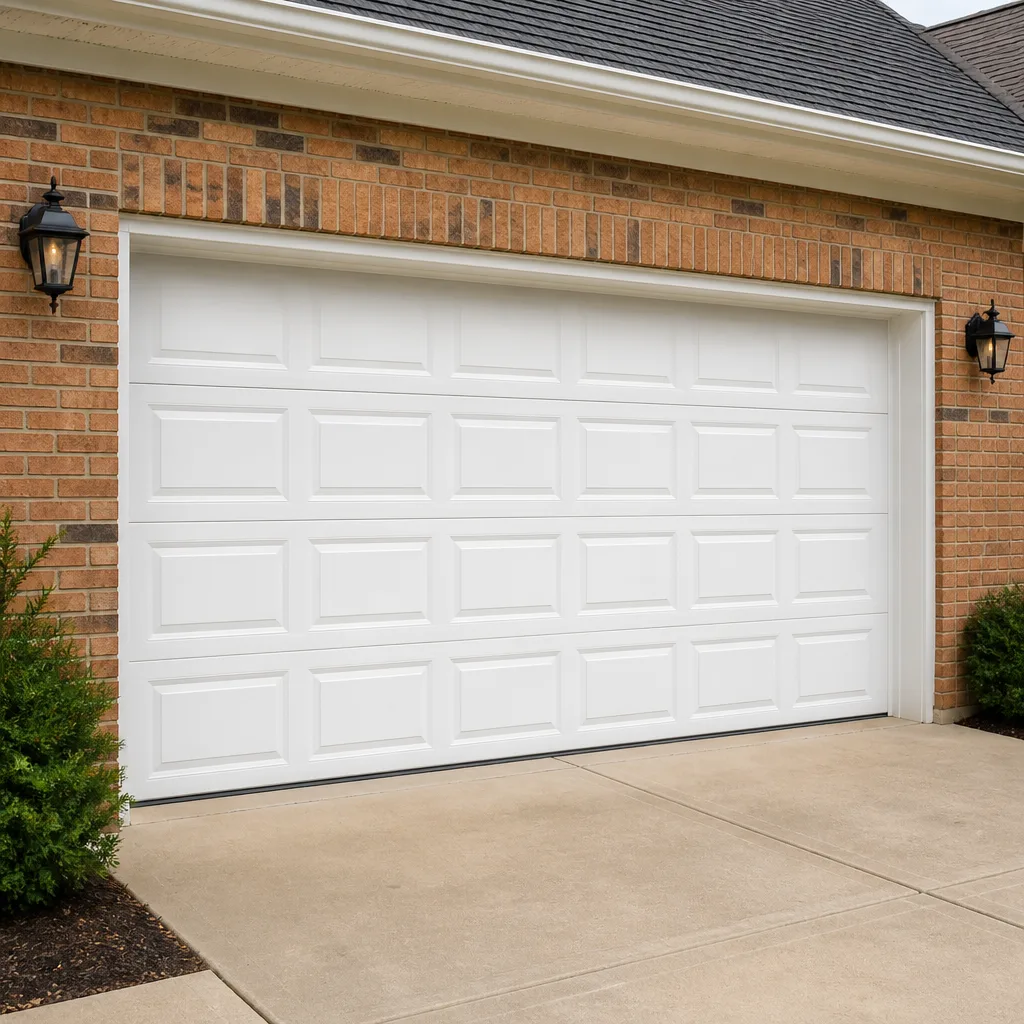 Raised-panel steel
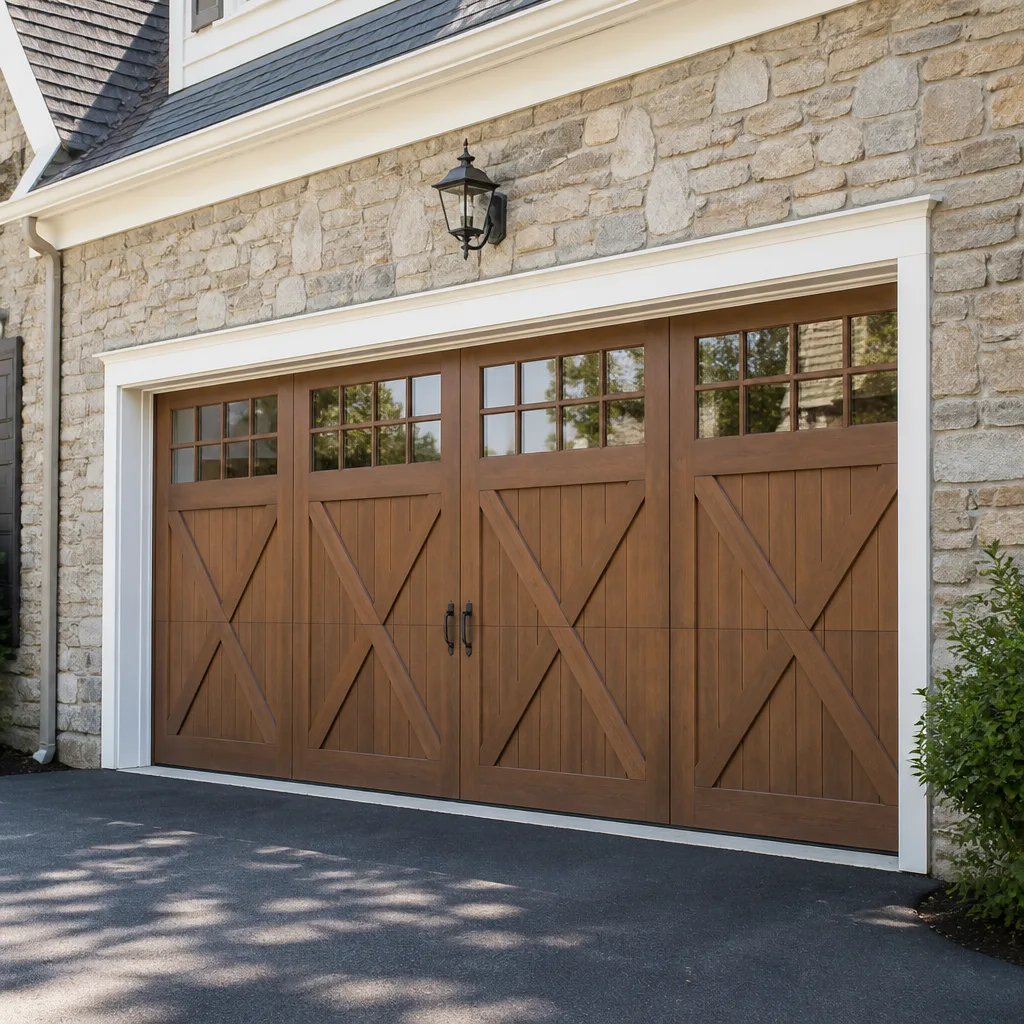 Carriage house
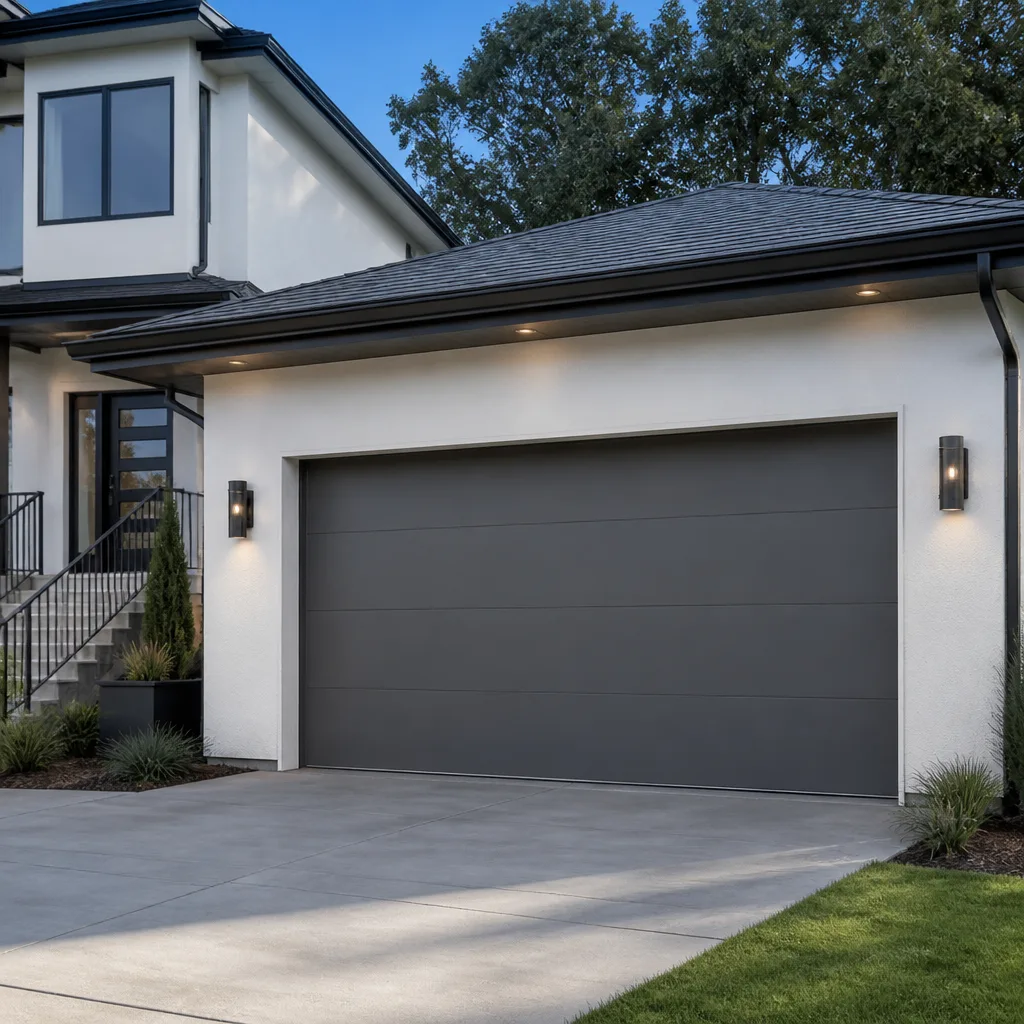 Modern flush
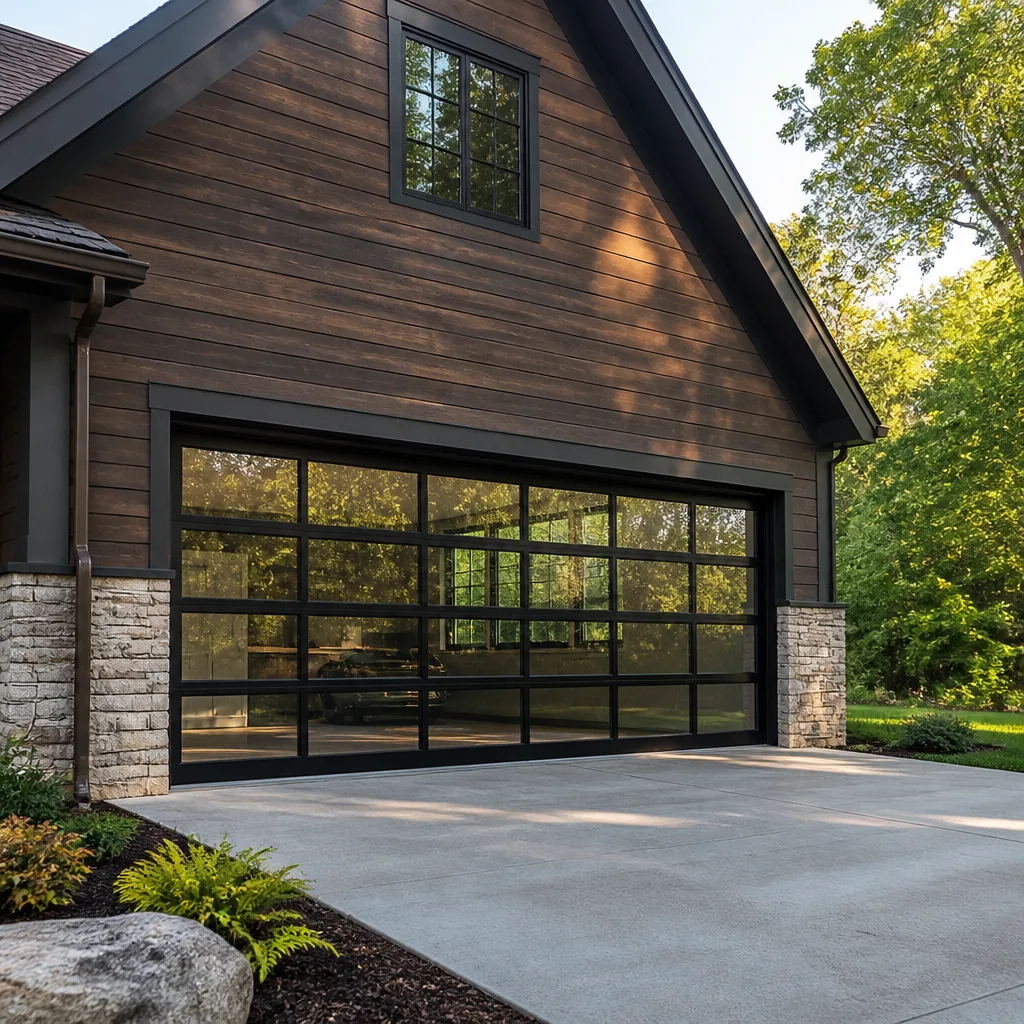 Full-view glass
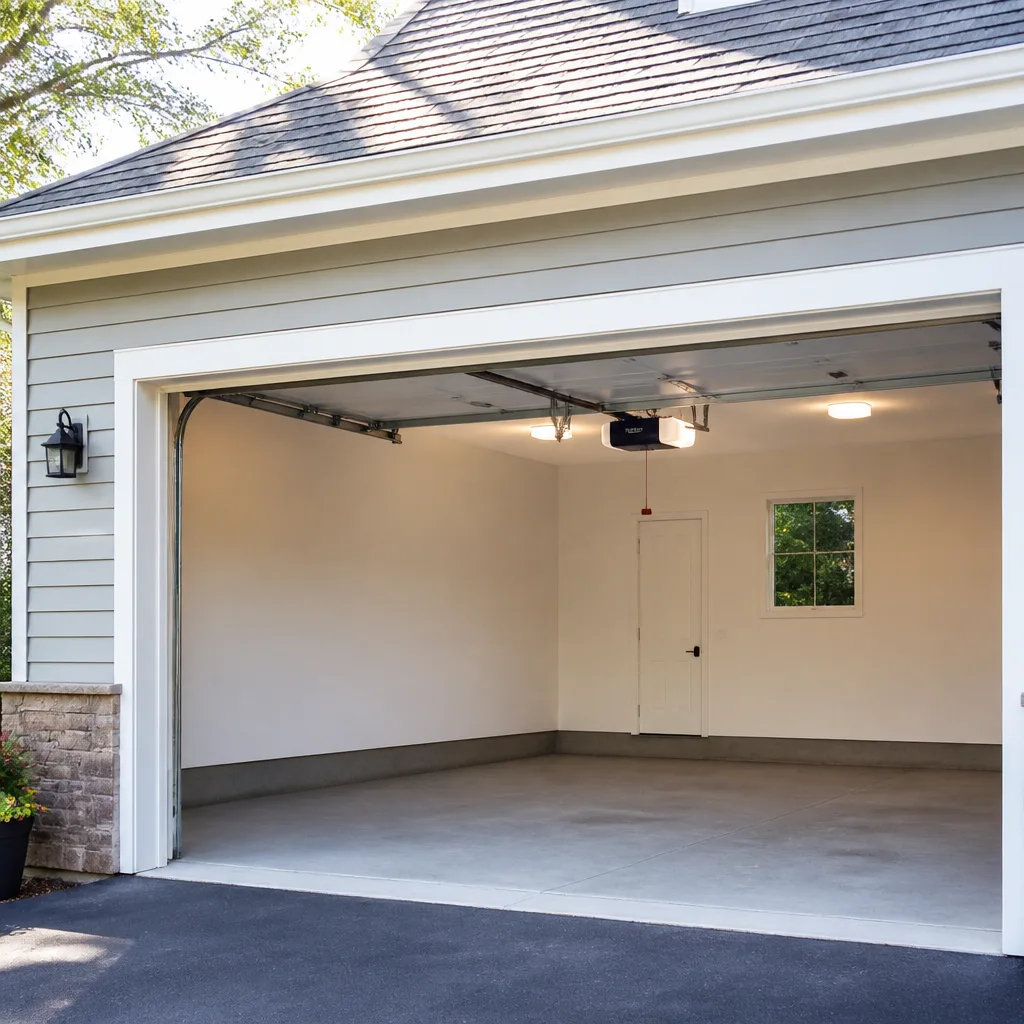 LiftMaster openers
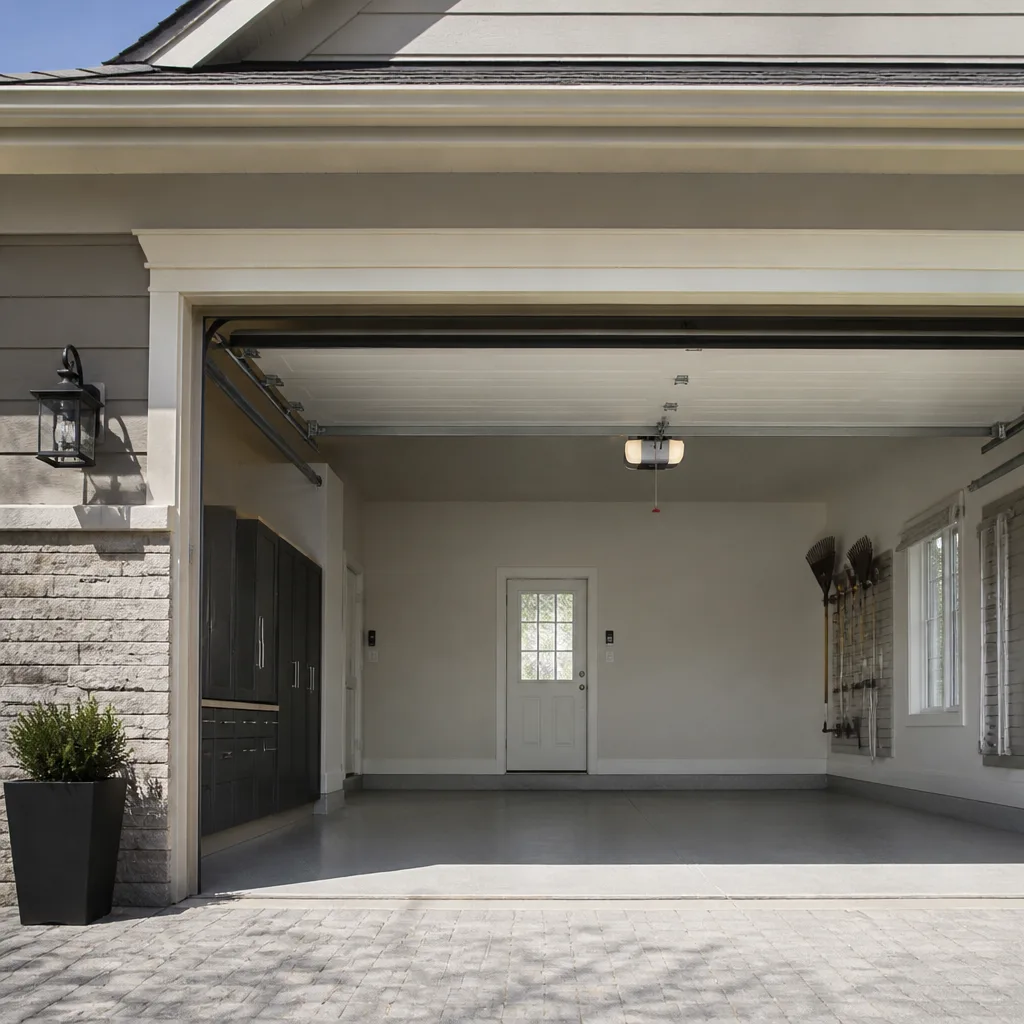 Chamberlain openers
Full 25-point door and opener safety check with every visit - springs, cables, rollers, tracks, and your LiftMaster or Chamberlain opener included
You get a price before we start. It does not change when the pro arrives.
Get your free estimateSeasonal Garage Door Care for Florissant: Year-Round Homeowner’s Guide
Lubricating your torsion springs in August is fine. Doing it for the first time in January, when the grease has gelled and the metal has contracted, is too late. That gap between “when it’s convenient” and “when the weather actually allows it” is where most garage door problems in Florissant get their start. Our seasons don’t arrive gently here. A sticky August gives way to a freeze-thaw February that works joints loose, then a wet spring that swells wood and shifts tracks. This guide maps the right task to the right weather window so you’re doing maintenance when it works, not when it’s overdue.
Quick Answer
The most effective garage door care in Florissant follows the calendar: lubricate moving parts in October before cold sets in, protect the bottom seal before the first hard freeze, re-check spring tension in March or April after winter contraction, and address wood swelling and track alignment during humid summer weeks. A homeowner can safely handle cleaning, lubrication, and visual checks. Spring tension, cable, and opener calibration belong to a trained technician.
Styles & brands we work with
- Raised-panel steel
- Carriage house
- Modern flush
- Full-view glass
- LiftMaster openers
- Chamberlain openers
Table of Contents
- Fall: The October Window That Sets Up Your Winter
- Winter: Freeze-Thaw Failures and the Manual Release
- Spring: Re-Calibrating After Cold Contraction
- Summer: Humidity, Wood Panels, and Track Drift
- What You Can Do vs. What a Pro Should Do
- Step-by-Step Monthly Safety Checks
- Brand Fluency and Parts That Actually Fit
Fall: The October Window That Sets Up Your Winter
October is the single most useful month on the garage door calendar in Florissant. Temperatures are cool enough to be comfortable but warm enough that lubricant spreads evenly into the pivot points, hinges, rollers, and the torsion springs themselves. Apply it now and you’re building a protective film that carries the metal through the contraction cycles of January and February. Wait until the first cold snap and the grease you’re using may already be too thick to work into the seams where it’s needed.
Not every lubricant behaves the same when the thermometer drops. A general-purpose oil or a light spray tends to thicken and stop coating properly once temperatures fall below roughly 20°F, which is a normal overnight low for Florissant in midwinter. A lithium- or silicone-based garage door lubricant holds its consistency much better in the cold. That’s the practical reason to apply it in October: you want the film already in place before the oil has a chance to stiffen.
Fall prep also means a hard look at the bottom seal, the weatherstripping along the floor that does most of the work keeping water out. Run your hand along its length and look for cracks, flattening, or a gap where it meets the concrete. A seal that’s already failing in October won’t survive a Missouri freeze-thaw cycle intact.
Fall checklist, in order:
- Wipe down the tracks with a dry cloth and clear any grit or debris.
- Apply a cold-rated lubricant to hinges, rollers, bearing plates, and the torsion spring coils.
- Inspect the bottom seal and replace any section that’s torn or flattened.
- Test the door’s balance by disconnecting the opener and lifting it halfway by hand.
- Listen for new rattles or grinding that weren’t there in the summer.
That last step is where a lot of Florissant homeowners first notice a developing problem. If the balance test shows the door dropping or rising on its own, something in the spring or cable system is already out of adjustment. That’s a job for a trained technician, and it’s a good moment to call for garage door spring repair before winter makes it worse.
Winter: Freeze-Thaw Failures and the Manual Release
Winter in Florissant is where the door earns its keep. The classic failure pattern starts at the floor: meltwater from your car runs down the apron, gets under the bottom seal, and freezes overnight. The next morning the seal is bonded to the concrete like it’s been cemented. The opener doesn’t know this. It keeps applying force, and the door binds against the ice while the motor strains. Do that a few mornings in a row and you’re wearing out the opener’s gears, the torsion spring, or both.
Ice-locked bottom seals are the quiet killer of garage door openers in this part of Missouri. The opener is the strongest motor on the door and the least forgiving of resistance. Every freeze-thaw cycle is a chance for the seal to stick again, and the damage accumulates invisibly until the opener fails outright or the door starts closing unevenly.
Which brings us to the manual release, the red cord hanging from the opener rail. Every homeowner should know where it is and how it works, because it’s the escape hatch when the door is stuck, the power is out, or the opener has bound up. Pull it and the door disconnects from the opener so it can be lifted by hand. It’s also the first thing to check if the opener runs but the door doesn’t move.
- Locate the red release cord hanging from the rail.
- Pull straight down and toward the door to disengage the carriage.
- Lift the door manually to open or close it.
- To re-engage, slide the carriage back until it clicks onto the trolley. Never force it.
One winter caution: don’t keep using the manual release as a workaround if the door is heavier than it should be. A door that won’t hold itself open is telling you the spring has lost tension, and that’s a condition no amount of manual lifting fixes. If your door won’t open at all during a cold snap, we’re set up for emergency garage door service for time-sensitive failures. For a broader look at what a stuck or broken door involves, see our guide to garage door repair.
Spring: Re-Calibrating After Cold Contraction
March and April are the months when garage door springs in Florissant quietly lose their calibration. Torsion springs work by twisting under a set tension, and repeated cycles of cold contraction followed by warming expansion can shift that tension over the course of a winter. A door that felt fine in November can suddenly close hard, open slowly, or sit an inch off the floor by March.
The spring is also the most dangerous component on the whole door. A wound torsion spring stores enormous energy, and it can release that energy in an instant. This is not a part to adjust, wind, or attempt to repair yourself. If you suspect the tension has gone, the only safe move is a professional check.
What a proper spring check covers when a technician examines the door in spring:
- Tension. Whether the door lifts and lowers evenly or favors one direction, and whether it sits flush at the floor.
- Coil condition. Cracks, gaps, or rust on the coils that signal a break is coming.
- Cable and drum. Whether the lift cables are seated correctly on their drums and free of fraying.
- Balance. That the door holds its position when disconnected from the opener and lifted halfway.
- Hardware. The hinges, rollers, and end plates that all carry load off the spring system.
Spring replacement is where we focus most of our work, and it’s the call we take most often. If you’re noticing a door that’s begun to feel heavy or a spring that looks like it has a gap in the coil, don’t wait for it to break. Call (844) 943-4245 for a free estimate. We also handle garage door opener repair for the strain a hard winter puts on the motor and carriage.
While the technician is out, ask them to walk the door’s balance and the opener’s force settings. An opener that’s been working extra hard all winter is often a few adjustments away from a smooth spring.
Summer: Humidity, Wood Panels, and Track Drift
Florissant’s humid continental climate is hardest on wood and the parts that move. Wood door panels absorb moisture from the air in June, July, and August. They swell. A panel that sat flush in April can bind against its neighbor by July, and the door starts to sound like it’s fighting something every time it opens. This is the season to look for sticking panels, rough priming on older wood doors, and gaps opening up at the joints.
Metal tracks have their own summer problem. Heat makes the metal expand, and humidity loosens the bolts that hold the brackets in place. Over a summer those small changes can knock a track out of alignment, which the rollers feel as a bump or catch at one point in the travel. A track that’s drifting doesn’t fail dramatically. It just gradually makes the door work harder.
The same warmth that makes summer the hardest season to notice problems also makes it a good time to lubricate again. A light re-lubrication in July, especially on any moving part that’s started to squeak, carries you into the fall window. Don’t overdo it: a thin film on hinges, rollers, and springs is enough. Dripping oil attracts dust and grit and creates a paste that binds the rollers.
- Check every hinge and roller for a light coat of lubricant, not a pool.
- Look for wood panels that have swollen or begun to stick against their neighbors.
- Hand-tighten any track bracket bolts that have loosened over the summer.
- Clear the tracks of any debris or grit blown in through open doors.
- Test the door’s balance by hand to catch any drift the heat has introduced.
If a wood door has swollen panels, don’t force it with the opener. The opener will win the fight and lose the war by wearing the carriage, the gear, and the chain. A technician can re-hang panels and check whether the door needs adjustment at the tracks. If the seal is leaking, our main garage door repair Florissant guide covers what a weatherstripping replacement involves.
What You Can Do vs. What a Pro Should Do
The most common mistake is trying to do everything yourself. The second most common is calling a professional for something you could safely handle. Here’s the split we’d draw, season by season, for a Florissant homeowner.
| Season | Homeowner task | Professional task |
|---|---|---|
| Fall (Oct) | Lubricate hinges, rollers, springs; wipe tracks; inspect bottom seal | Replace a failing bottom seal; correct spring tension if the door won’t balance |
| Winter | Clear snow and ice from the apron; know the manual release; keep the seal dry | Free a stuck door; diagnose an opener that’s bound up; replace an ice-damaged spring |
| Spring (Mar-Apr) | Visual look at springs, cables, and door balance; test the opener’s reversing function | Re-calibrate spring tension; check cable and drum; adjust opener force settings |
| Summer (Jun-Aug) | Re-lubricate hinges and rollers; look for swollen wood panels; tighten loose bracket bolts | Re-hang swollen panels; realign tracks; repair or replace a wood panel that’s warped |
The rule that governs all of it: anything involving the torsion spring, the lift cables, or the door’s balance is a pro job. Those parts store and release stored energy, and a mistake can cause serious injury. The visual checks, lubrication, seal inspection, and cleaning are safe for homeowners.
Step-by-Step Monthly Safety Checks
A few minutes on a regular basis catches the small problems before the season turns a small problem into a broken door. Here’s a routine you can walk through in your own garage, done the same way every month.
- Balance test. Disconnect the opener using the manual release. Lift the door halfway and let go. It should stay put. If it drops, rises, or needs a push to keep moving, tension is off.
- Opener reversing test. Lay a 2×4 flat on the floor in the door’s path and close it. The door should reverse on contact. If it doesn’t, the opener’s force or travel settings need adjusting, and that’s a professional call.
- Seal check. Run a hand or a thin sheet of paper along the bottom seal. A gap that lets light or air through means the seal is losing its grip.
- Hardware look. Glance at the hinges, rollers, and spring coils for rust, cracks, or loose bolts. Don’t tighten the springs; just note the condition.
- Listen. A door that’s started to pop, squeak, or grind is telling you something is out of alignment or out of lubricant.
- Clear the tracks. A cloth wipe keeps grit from wearing the rollers, and it’s your best early warning for a track that’s drifting.
If any monthly check flags a problem with the springs, cables, or opener force settings, leave it to a technician. Our team works on systems from Amarr, Wayne Dalton, Craftsman, and Raynor, among other major brands, so we’re working with the hardware already on your door. When it’s time for a full repair, our garage door repair process covers the diagnosis and the fix.
Brand Fluency and Parts That Actually Fit
A seasonal maintenance plan only works if the technician can get the right parts for the door that’s already installed. Modern garage doors come from a handful of major manufacturers with very different hardware profiles. A LiftMaster or Chamberlain opener, a Genie screw drive, and a Clopay steel door each have different tolerances, different springs, and different weatherstripping. If the technician shows up and has to special-order a part, the small fix turns into a week-long disruption.
We’re set up across the eight major brands, which means our technicians can work with the hardware that’s already there. Our technicians have up to 9 years of experience. We’ve learned that brand fluency matters most during a season transition, when a door needs adjustment rather than replacement. That’s when an extra call and a wait can turn one problem into two, and that’s why we plan the maintenance visit around the door we’re actually working on, not the door we wish you had.
If the door is past the point where maintenance makes a difference, we’ll tell you. Not every aging door needs a new spring, and not every worn door needs replacement. Whether it’s a repair or a full replacement, we’ll tell you which one you actually need. If you’d like to talk through what the door actually needs, call (844) 943-4245 for a free estimate, or take a look at our garage door spring repair page for the specifics of a spring job.
Common Mistakes to Avoid
- Lubricating for the first time in January. Cold metal and thick grease don’t work together. The film never gets into the seams where it’s needed, and the door still grinds through the winter. Apply in October.
- Using an oil that gels below 20°F. A product that stiffens in the cold stops coating the springs right when they need protection most. Use a cold-rated garage door lubricant.
- Ignoring a sticky bottom seal. Ice bonding the seal to the concrete is a normal winter condition, but repeated failures do real damage to the opener. Clear the apron and keep the seal dry.
- Winding a torsion spring yourself. A wound spring stores enough energy to injure you badly if it slips. Adjusting, winding, or replacing a spring is never a homeowner job.
- Forcing a swollen wood door. If a summer-swollen panel is binding, the opener will wear itself out trying. Have the panel re-hung instead of running the motor against it.
- Skipping the balance test. A door that won’t hold itself open is your clearest sign that the spring has lost tension. Testing takes 30 seconds and prevents a much bigger repair.
- Assuming the opener is the problem. When a door won’t open, the opener is often the messenger, not the cause. The spring, the cables, or an ice-locked seal may be the real issue.
See the difference
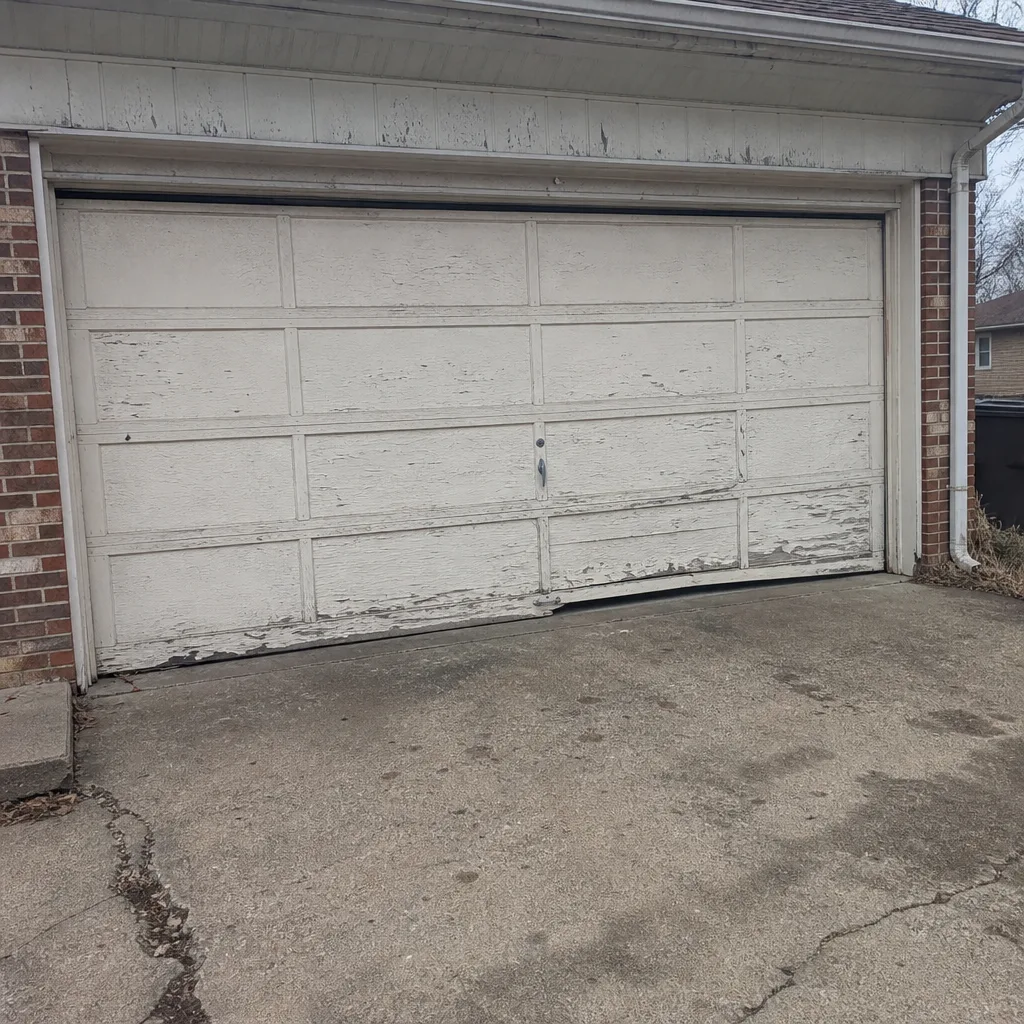 Before
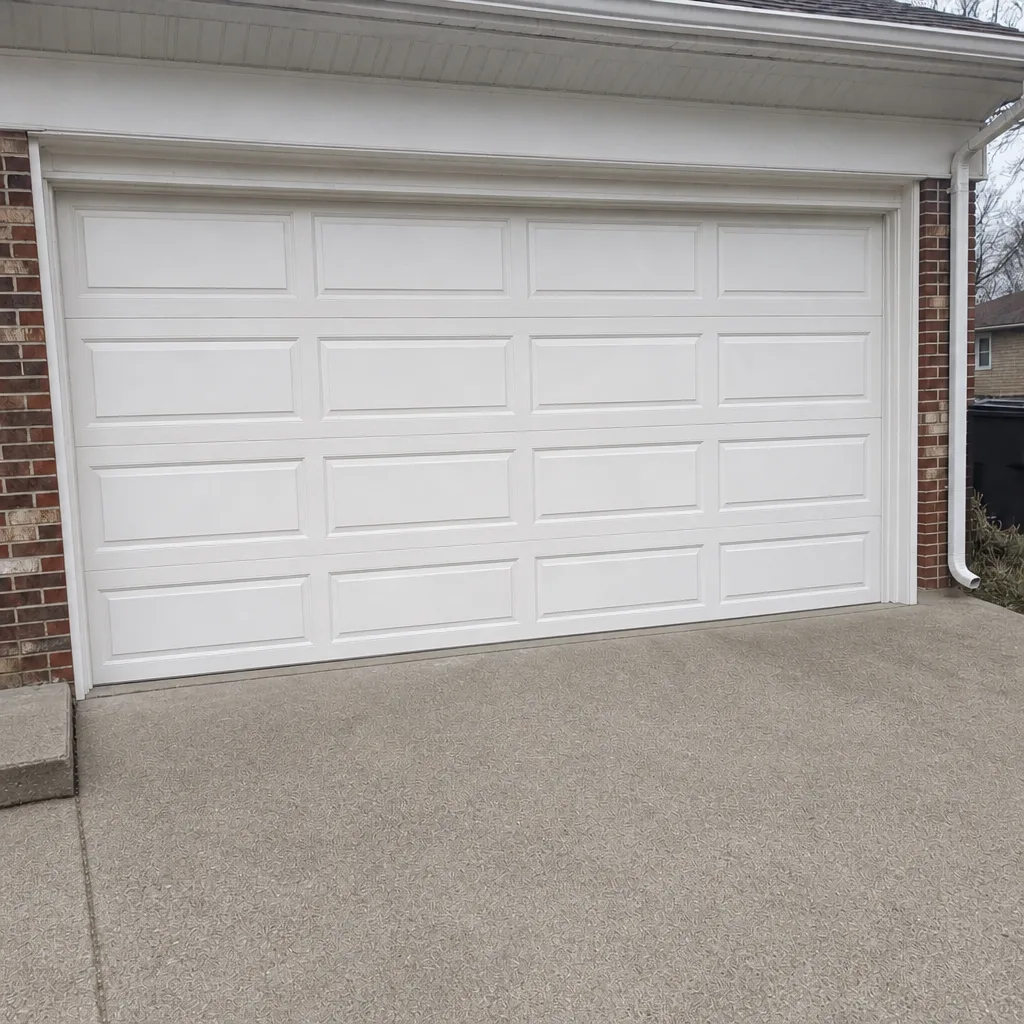 After
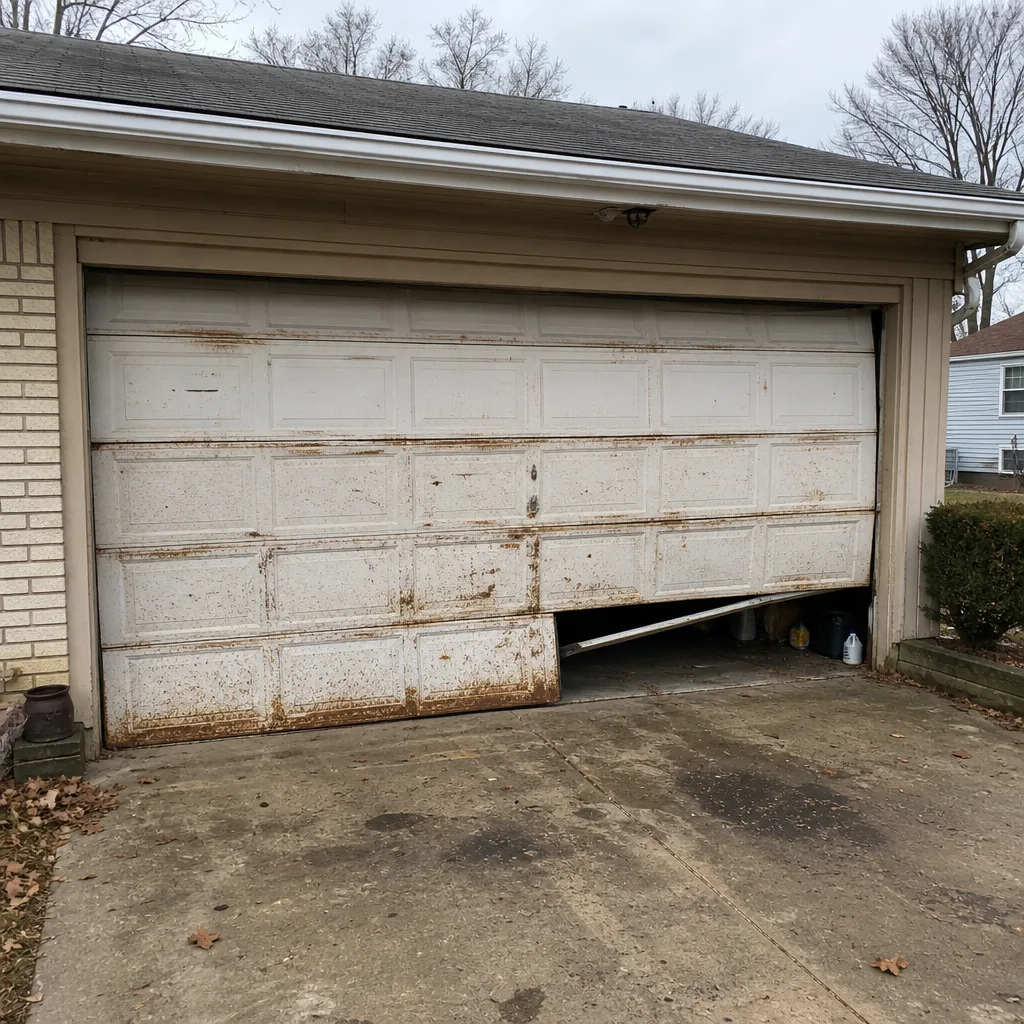 Before
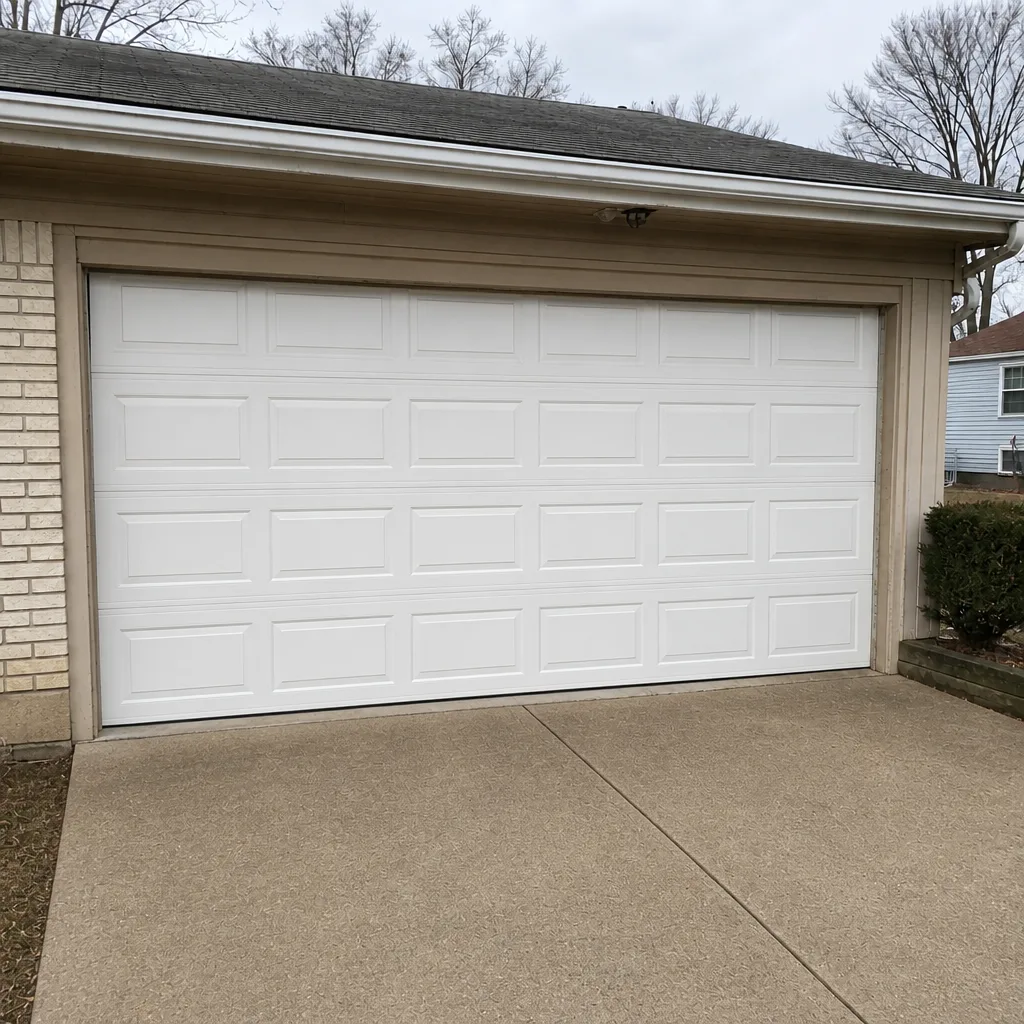 After
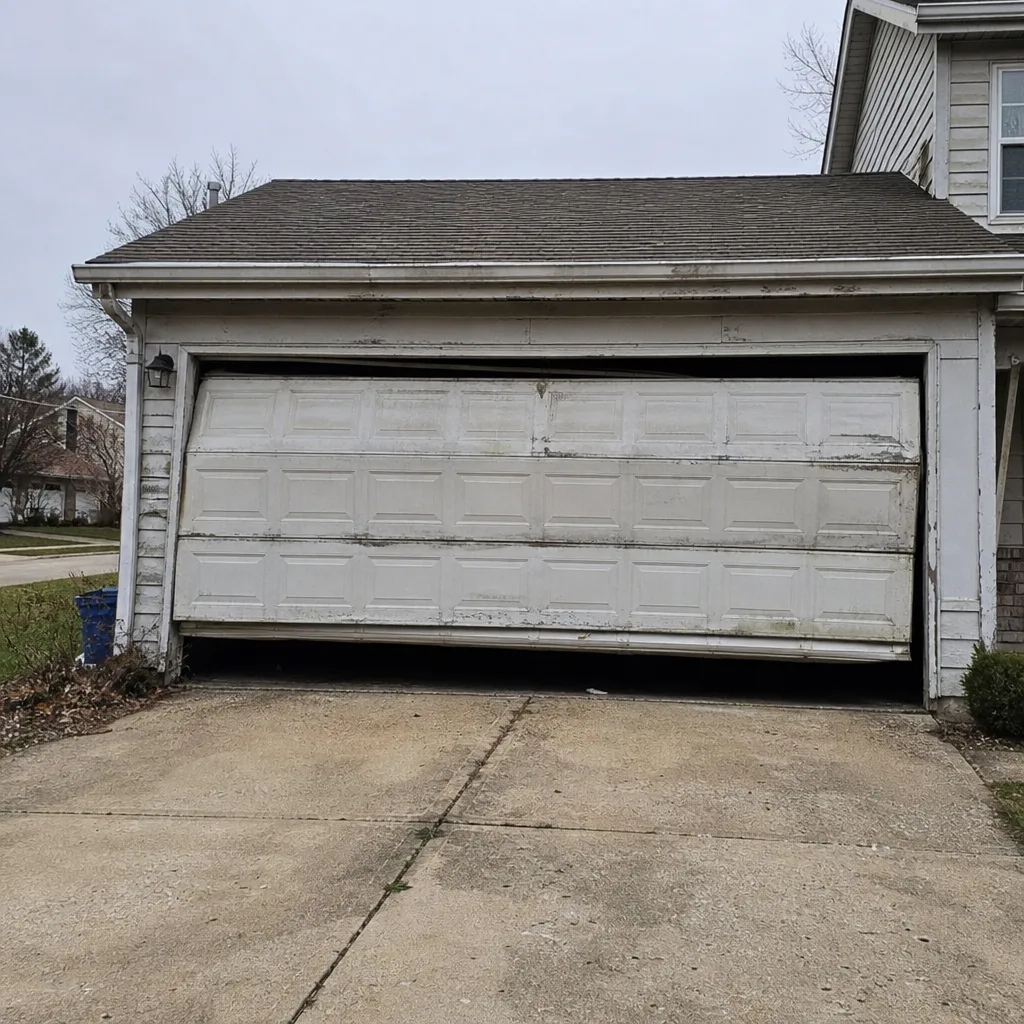 Before
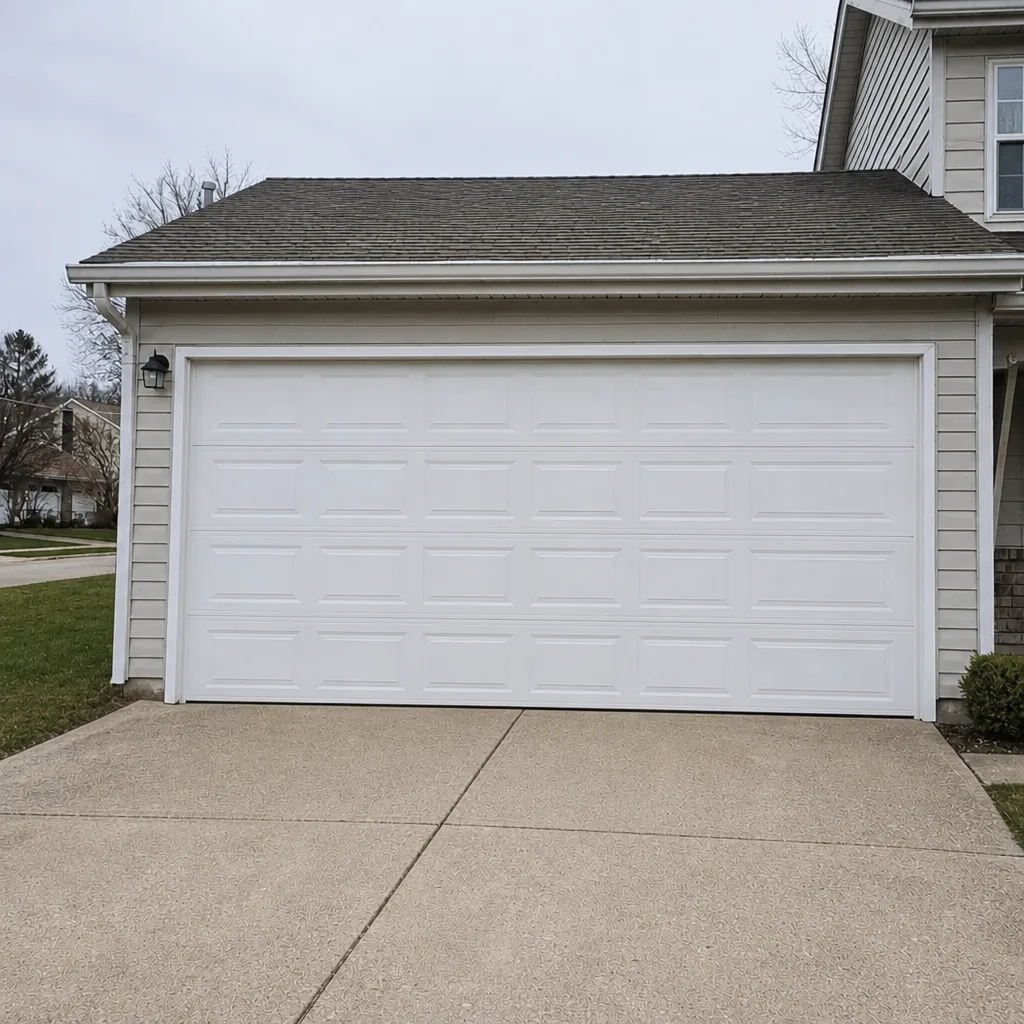 After
When to Call a Professional
Call a professional any time the problem involves the torsion spring, the lift cables, or the door’s balance. Those three parts hold stored energy and do the heavy lifting on the door, and getting them wrong can cause serious injury. Call us, too, if the door binds at the floor during a freeze-thaw stretch, if the opener runs but the door doesn’t move, or if the door reverses on its own or fails to reverse on contact. A wood door that’s started to stick is worth a look before the swelling turns into a panel replacement. Garage Door Repair Florissant offers free estimates in Florissant, and the price is quoted and agreed before any work starts. Call (844) 943-4245 to schedule.
Frequently Asked Questions
Lubricating the moving parts in October is the most important seasonal task. Doing it before sustained cold sets in lets the lubricant spread evenly into the hinges, rollers, and springs, where it protects the metal through the winter.
Meltwater freezes between the bottom seal and the concrete, bonding the two. When the opener tries to lift the door, the seal stays stuck and the motor strains. Keep the apron clear and check the seal for damage.
No. Torsion springs store enormous energy, and a mistake can cause serious injury. Spring adjustment and replacement belong to a trained technician. Call (844) 943-4245 for a free estimate if you suspect a spring problem.
The spring has likely lost tension after repeated cold contraction, or a cable has shifted. A technician check covers the spring tension, cable seating, and opener force settings. It’s a common symptom we see each spring in Florissant.
Yes. Wood absorbs humidity in Florissant’s summer air and can swell enough to bind against neighboring panels. Watch for sticking panels during humid weeks and have a technician re-hang them rather than forcing the opener against them.
Check whether the opener runs without the door moving. If the motor runs but the door stays put, the problem is likely the door, spring, or carriage, not the opener itself. Call us at (844) 943-4245 and we’ll diagnose it.
The Bottom Line
Seasonal garage door care in Florissant comes down to timing. October is for lubrication before the cold arrives. Winter is about keeping the bottom seal dry and knowing the manual release. Spring is for re-checking spring tension after contraction. Summer is for watching for wood swelling and track drift. The homeowner can safely handle cleaning, lubrication, visual checks, and the balance test. Spring, cable, and opener calibration stay with a trained technician. Follow the calendar, and the door will get through every season in one piece.
Written by the team at Garage Door Repair Florissant.
If your door needs a look before the next season arrives, call (844) 943-4245 for a free estimate. We’ll tell you what the door actually needs, and the price is quoted and agreed before any work starts.