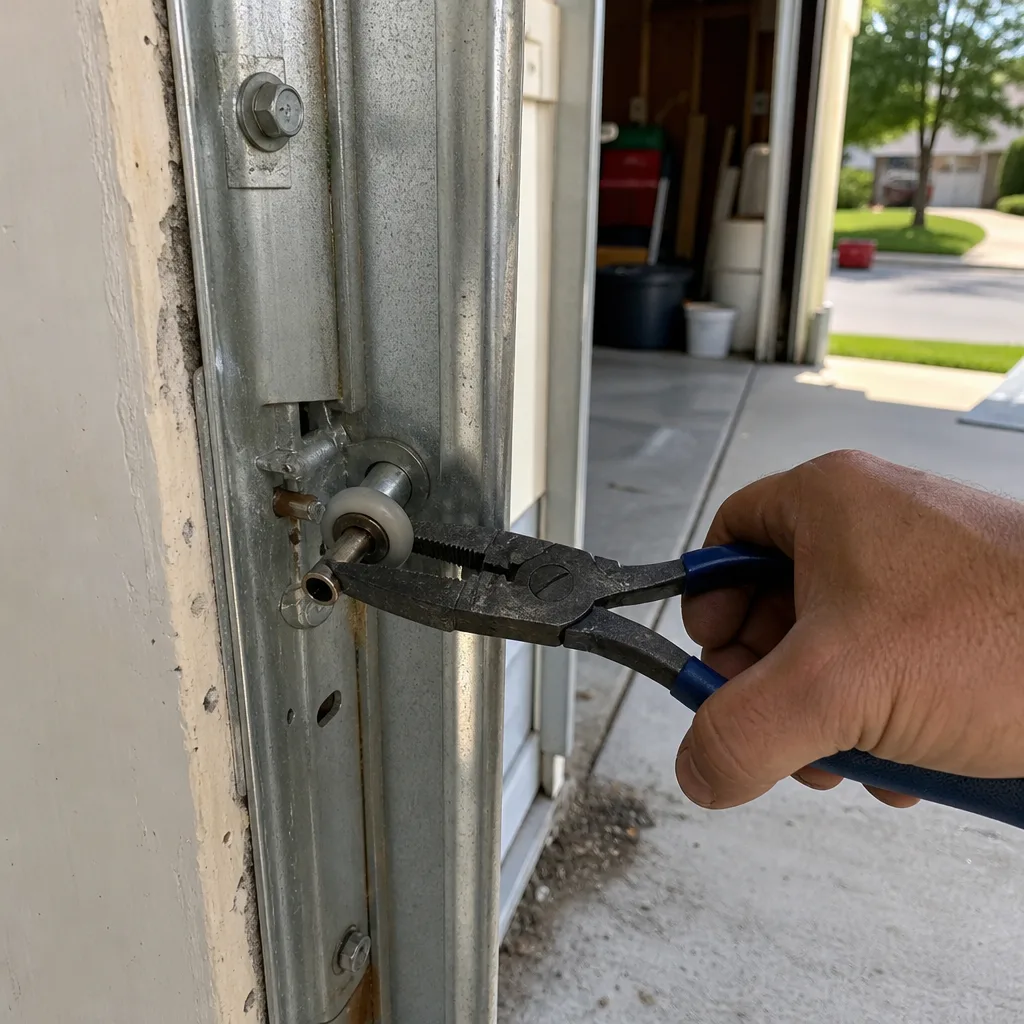
Last updated November 22, 2026
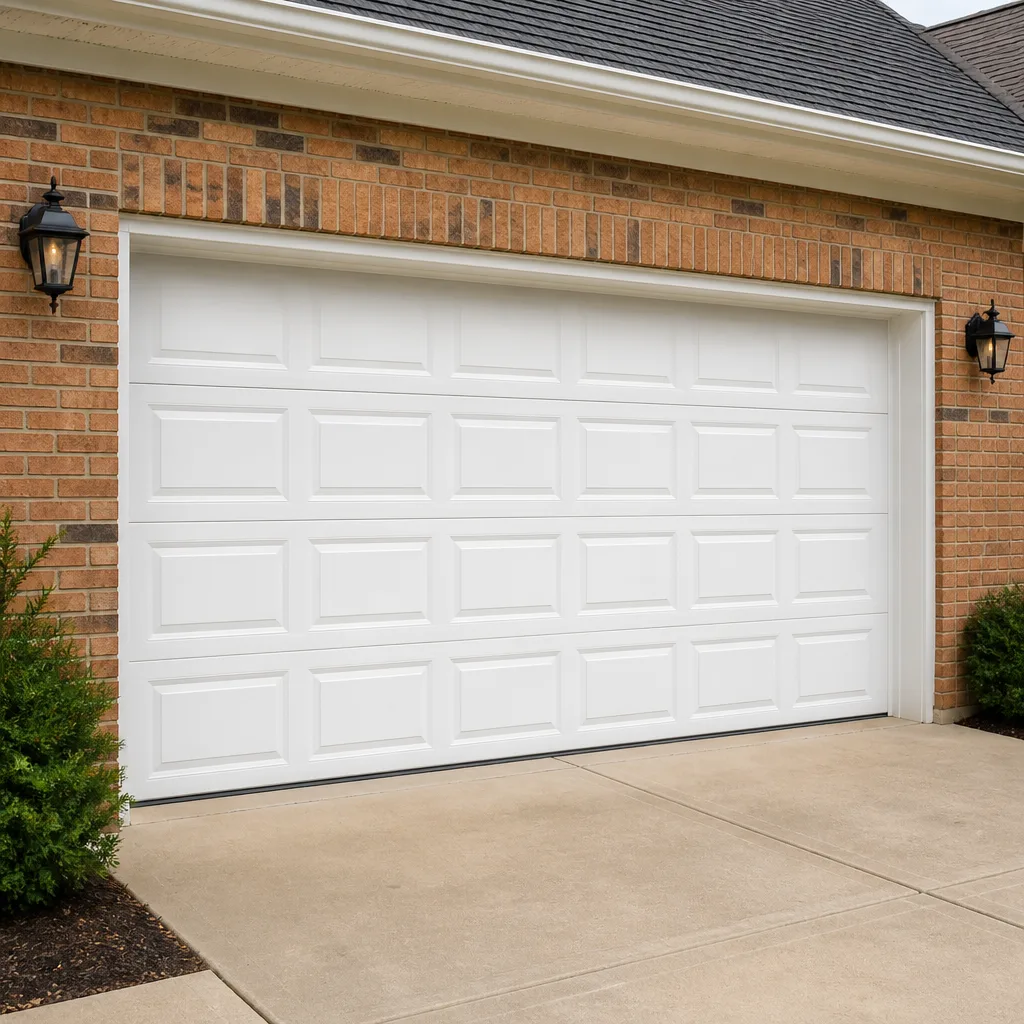 Raised-panel steel
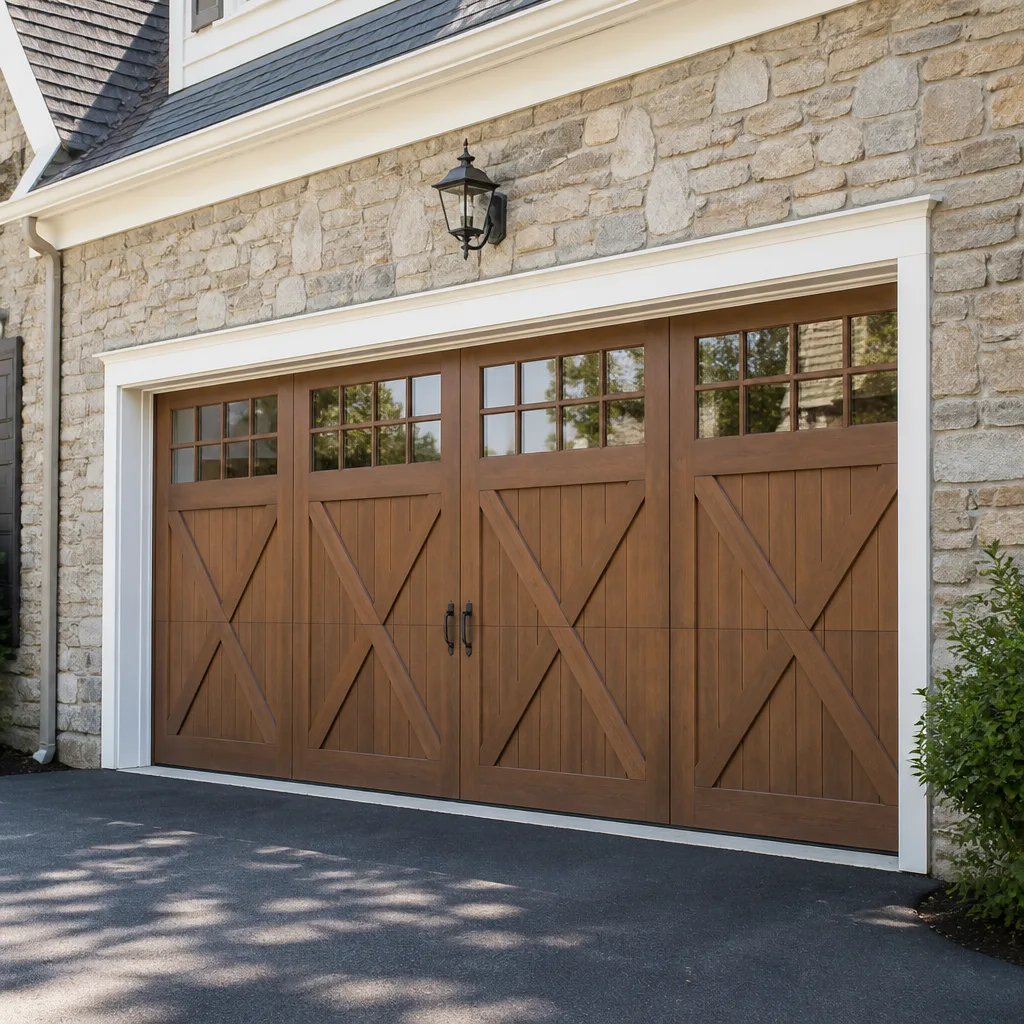 Carriage house
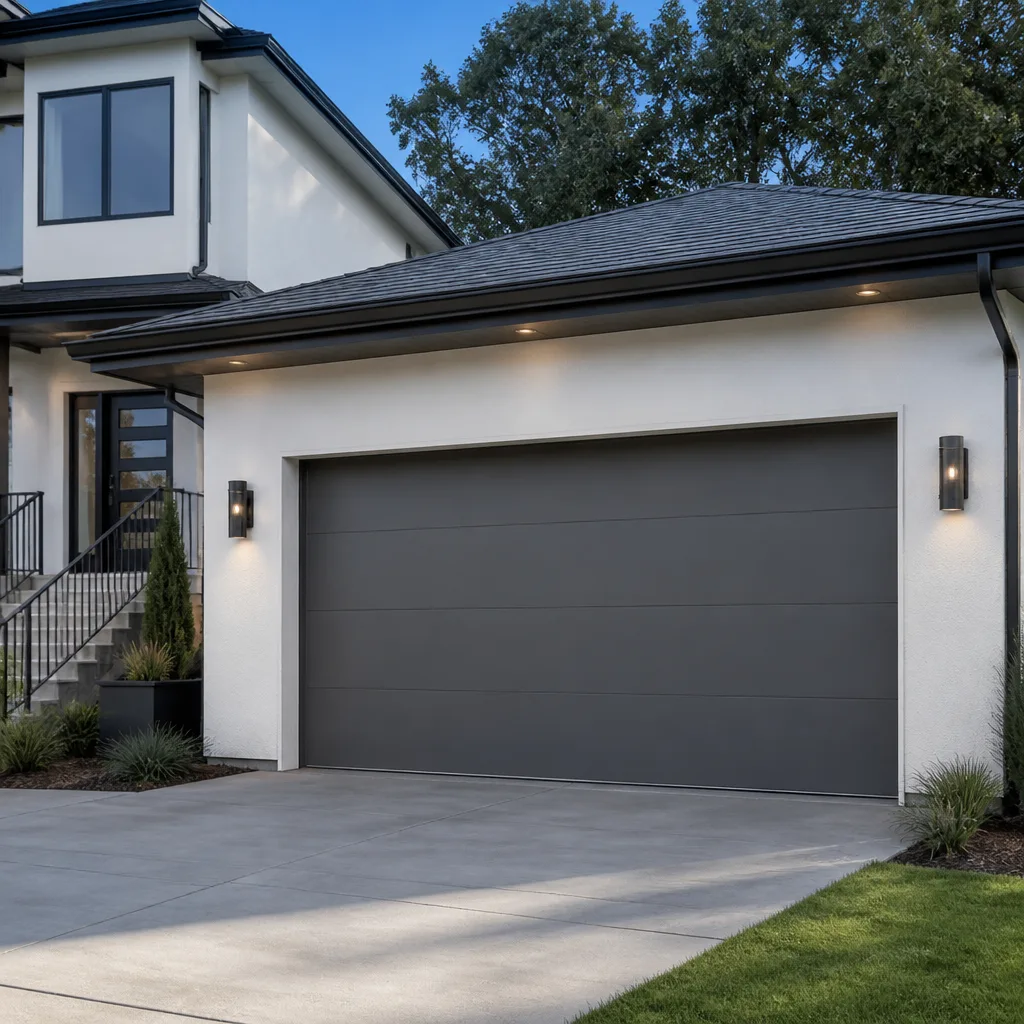 Modern flush
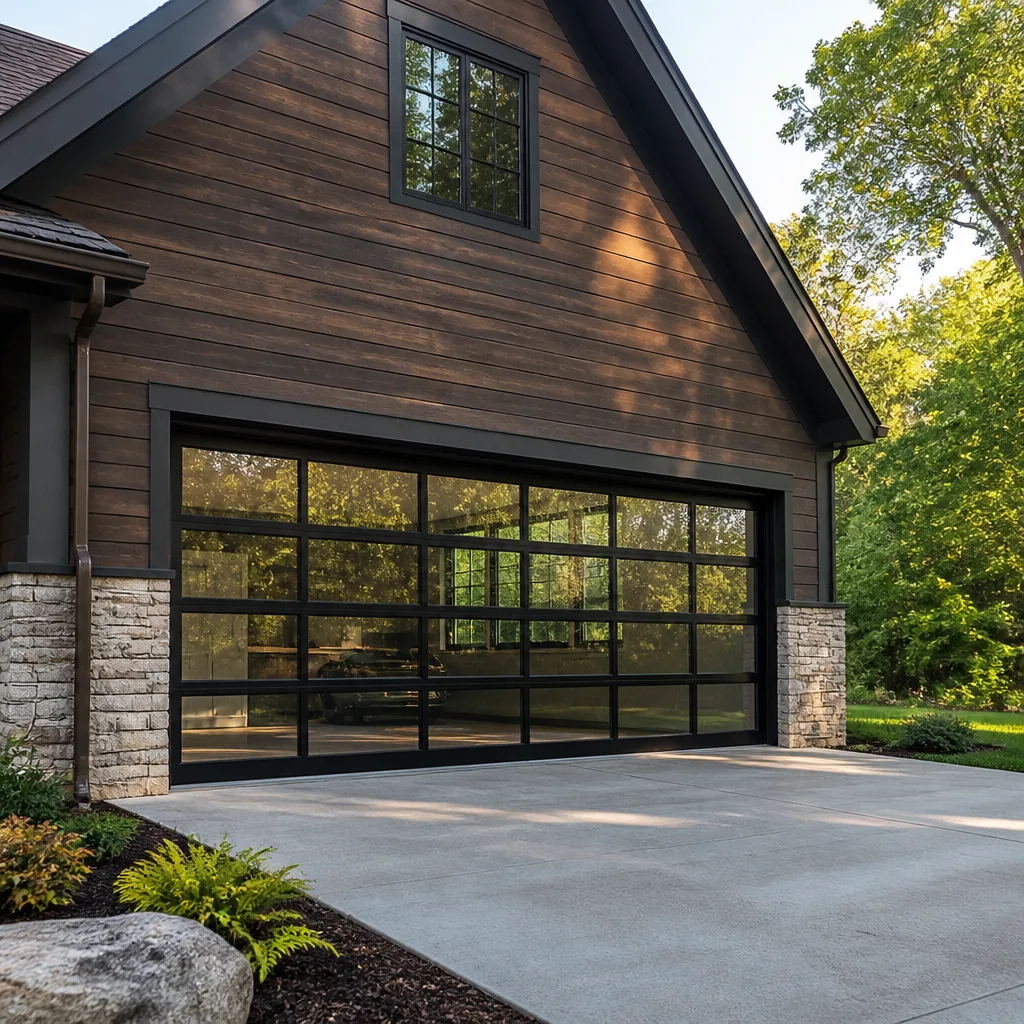 Full-view glass
 LiftMaster openers
 Chamberlain openers
Full 25-point door and opener safety check with every visit - springs, cables, rollers, tracks, and your LiftMaster or Chamberlain opener included
You get a price before we start. It does not change when the pro arrives.
Get your free estimateDIY vs Professional Garage Door: The Florissant Homeowner’s Decision Guide
Replacing a bottom seal is a Saturday-afternoon DIY job. Replacing a torsion spring is not, and the difference isn’t your confidence level, it’s physics. A standard torsion spring holds enough stored energy to move a door that weighs well over a hundred pounds, and that energy stays wound in the metal even after the door is closed. Here in Florissant, we get calls from homeowners who’ve talked themselves into a spring swap and then thought better of it around the second winding bar. This guide draws the real line between what you can safely handle and what needs a trained technician, task by task.
Quick Answer
Some garage door work is genuinely manageable for a careful homeowner: weatherstripping, remote reprogramming, lubrication, and minor track adjustments under a quarter inch. Everything involving torsion springs, cables under tension, and opener motor internals is professional work, because the danger comes from stored mechanical energy, not from the skill of the person holding the wrench. Panel replacement, new door installation, and anything where the door’s balance or travel is off belong with a specialist.
Styles & brands we work with
- Raised-panel steel
- Carriage house
- Modern flush
- Full-view glass
- LiftMaster openers
- Chamberlain openers
Table of Contents
- The Task-by-Task Breakdown: What You Can Handle vs. What You Can’t
- Why Torsion Springs Are the Line You Shouldn’t Cross
- The Tool Reality Check
- Warranty, Liability, and the Home Sale Inspection
- What Florissant Conditions Do to Your Door
- DIY vs Professional Cost: An Honest Comparison
- How to Be a Smart Participant in a Professional Repair
- How to Verify the Work Without Second-Guessing the Technician
The Task-by-Task Breakdown: What You Can Handle vs. What You Can’t
The right question isn’t “am I handy enough?” It’s “what happens if this goes wrong?” A botched weatherstrip leaves a gap and a draft. A botched spring can send a winding bar across the garage at speed. Same garage, completely different risk profile. Here’s how we’d sort the work in a Florissant home.
Safe for a careful homeowner
- Bottom seal and weatherstripping replacement. The bottom seal slides into a groove on the door’s bottom section or nails to the frame. It’s a low-tension job with no stored energy involved. If your garage floods with cold air in a Florissant January, this is the first thing to fix.
- Remote and keypad reprogramming. If your LiftMaster or Chamberlain remote stopped working after a power flicker, clearing and re-pairing the remote is a fifteen-minute job with the manual in hand.
- Lubrication. Hinges, rollers, and the track along the door travel get a light coat of a lithium-based or silicone garage door lubricant. Never grease the springs.
- Photo-eye alignment. If the door reverses on the way down, the safety sensors at the base of the track may be out of alignment or blocked by something. Line them up so their lights are solid and clear the path.
- Minor track adjustments under a quarter inch. A section that’s drifted a hair out of square can be nudged back with a wrench and a light touch. Anything past that quarter inch is a different job.
- Cleaning and inspecting. Wiping down the panels and looking for cracks, frayed cables, or wobbling rollers is the most valuable free thing you can do for your door.
Not for DIY
- Torsion spring replacement. Covered in detail below. Don’t.
- Extension spring replacement. Less dramatic than torsion but still loaded with stored tension and still attached to a door that can fall.
- Cable replacement or re-tensioning. Cables hold the door’s weight in tension. A snapped cable can whip.
- Opener motor or gear replacement. The motor is inside a housing wired to your home’s electrical circuit.
- Roller or hinge replacement on a door with a broken spring. The door needs to be supported before you touch anything on it. Do the spring first.
- Panel replacement and full door installation. New panels have to match the door’s balance, and a new door has to be measured to your opening, and, in most Florissant neighborhoods, to your HOA covenants.
When you’re not sure which side of the line a job falls on, a quick call to our garage door repair line settles it in a minute. We’ll tell you honestly whether it’s a homeowner job.
Why Torsion Springs Are the Line You Shouldn’t Cross
A torsion spring stores energy in the winding of a steel rod, and that energy is what makes a heavy garage door feel light when you lift it. A standard 7-foot door is held in balance by a spring or pair of springs wound tight enough to carry well over a hundred pounds of door weight. When the spring is at rest with the door down, that energy is still in the metal. It isn’t “released” just because the door’s closed.
Replacing a torsion spring means winding the new spring to the tension the door needs, then locking it in place with set screws on the torsion tube. The winding tool is a winding bar, a steel rod inserted into the drum. If it slips out of the hole mid-wind, the spring unwinds fast, and the bar leaves the drum along with it. That’s the part of the job we’d rather you didn’t experience firsthand. In our experience, spring work is the single most dangerous task in this trade, and it’s the one we treat with the most caution.
Springs also come in matched sizes. A spring that’s a quarter-inch too long or short for the door’s weight won’t bring the door into balance, and an unbalanced door will wear out the opener and the rollers. Replacement also means judging whether the two springs should be swapped as a pair: if one’s broken and the other is the same size and vintage, it’s usually smarter to replace both together. We’ll always tell you which way we lean and why. Broken spring? That’s our most common call, and it’s the specialty we’ve built our garage door spring repair work around. Our technicians have up to 9 years of experience with spring sets across brands like Raynor and Craftsman.
The Tool Reality Check
Here’s the part most DIY guides skip: the tool kit for safe garage door work costs more than hiring it out for a one-time job. If you do garage doors every day, the tooling pays for itself. If you’re doing one spring on one Florissant door, it doesn’t.
What professional work actually requires:
- Winding bars sized to the torsion drum on your door, not a substitute like screwdrivers or pipe. A slipping bar is the failure mode everyone worries about, and the wrong bar makes it more likely.
- A proper door support system to hold the door in the raised position while you’re working, so the door doesn’t crash down.
- Springs sized to your door’s weight. Garage door springs come in more than a hundred sizes. Ordering the wrong one because the door feels heavy is how homeowners end up with a spring that fails in months.
- Torque wrenches and set-screw specs for the torsion tube fittings, because set screws that aren’t torqued properly will eventually let go.
- An understanding of the opener’s force settings and travel limits. A correctly installed door is balanced before the opener is re-engaged. If the door isn’t balanced, the opener is doing work it wasn’t designed to do.
- A ladder that supports the work itself, not one you borrowed and propped. Most people who get hurt working on garage doors aren’t hurt by the door; they’re hurt falling off a ladder.
Add up the winding bars, the door support, the spring sizing research, and the risk of a single mistake, and the DIY math stops working. A free estimate on a professional job removes all of that from the equation.
Warranty, Liability, and the Home Sale Inspection
Most garage door and opener manufacturers design their warranties around professional installation. A LiftMaster or Chamberlain opener warranty, and a Clopay or Amarr door warranty, typically covers defects in materials and workmanship, and both depend on the door and opener being installed and adjusted correctly. If a homeowner swaps a spring and the opener’s motor burns out two months later, or a door’s panel cracks after a spring swap, the manufacturer can point to the non-professional repair as a reason the warranty may not apply. That’s a real risk most homeowners don’t hear before they start.
Home sale inspections are the other place this shows up. A Florissant home inspector walking through a garage looks at a few things: whether the door opens and closes smoothly, whether the safety reversal works, whether the door’s balance is right, and whether the spring and cable assembly look professionally installed. Anything that looks off gets flagged, and a flagged item becomes a negotiation. We’ve seen plenty of homes where a homeowner’s weekend spring swap became a line in the inspection report.
Liability is the last piece. If a DIY repair fails and the door comes down on someone, or a spring lets go and damages a car, the homeowner’s insurance may or may not cover it depending on how the work was done. A professional job is the cleaner arrangement, and we can work with your insurer when a door failure becomes an insurance matter.
What Florissant Conditions Do to Your Door
Florissant sits in the St. Louis metro with four distinct seasons, which means your garage door is cycling through a lot of thermal movement every year. A door that’s opened and closed twenty times a day in July gets a different workout than the same door in January, and the hardware has to keep up with both.
What we see in Florissant homes specifically:
- Cold-weather spring fatigue. Springs are steel, and steel gets more brittle as temperatures drop. A spring that’s near the end of its cycle life is more likely to fail on a cold morning, which is why we see a rush of spring calls from late fall into early spring.
- Freeze-thaw on slab floors. Some Florissant garages sit on slabs with minimal insulation. Water that seeps under the door in a thaw refreezes and can heave or crack the nearest sections of slab. Weatherstripping replacement matters here more than most homeowners realize.
- Hail and wind. The St. Louis metro gets its share of summer hail, and steel garage door panels dent. A single dented panel may be replaceable without a whole door, but only if it matches the door series. We work with Clopay, Amarr, Wayne Dalton, and Raynor panels for exactly this reason.
- Humidity and rust. Florissant summers are humid enough to rust the bottom section of some older doors, especially the hinges and the bottom bracket. Routine inspection catches it early.
- Neighborhood HOA requirements. Many Florissant neighborhoods on the north side, from the older home stock near Old Town to the newer builds off Shackelford Road, have HOA rules about door color, panel style, and replacement material. Before you buy a door, check whether your HOA requires approval.
If your door is past the point where adjustment makes sense and you’re weighing a new door, our notes on garage door repair Florissant walk through when repair is still the right call and when replacement starts to make more financial sense.
DIY vs Professional Cost: An Honest Comparison
DIY only saves money if you account for the total cost of the job, including tools, materials, risk, and the cost of a redo. Here’s how the math usually plays out.
| Job | DIY cost (tools + materials) | Professional range (typical, estimated) |
|---|---|---|
| Bottom seal or weatherstripping replacement | Under $50 in materials | $120 – $220 installed |
| Remote or keypad reprogramming | $0 (manual in hand) | Treated as a quick visit |
| Track adjustment under 1/4 inch | $0 in tools if you own a wrench | $100 – $180 |
| Single torsion spring replacement | $80 – $160 in materials plus $60 – $150 in winding bars and door support | $180 – $340 per spring; a matched pair costs about twice that |
| Opener repair (gear, motor, board) | $60 – $200+ in parts, if you get the right ones | $150 – $400 depending on the failure |
| Panel replacement | Panel cost plus freight; may not match door series | $250 – $700 depending on panel and series |
| New door installation | Not realistic for a homeowner | Measured and quoted on site |
These are typical ranges for the Florissant market, not a fixed price list, and every job gets a written estimate that sets the final price. Prices are quoted and agreed before any work starts, so you know the number going in.
On the spring replacement line alone: a pair of winding bars for one door is more tool money than the professional labor on a single spring. Add the risk of a redo, and it stops being close. For a one-time job, hiring out is usually the cheaper move. If opener internals are the failure, the same math applies, and our garage door opener repair work covers LiftMaster, Chamberlain, Genie, and Craftsman units by name because those are the ones we see in Florissant garages.
How to Be a Smart Participant in a Professional Repair
The best outcome is when a homeowner knows enough to follow what’s happening without trying to run the job. You don’t need to be hands-on. You need to be present and clear on a few things.
- Describe what the door did before it broke. “It made a bang and now the opener hums but nothing moves” is a broken spring. “It goes up partway and reverses” is likely a limit or force setting. “It closes crooked” is often a track or cable. The more specific you are, the faster the diagnosis, and the fewer surprises on the invoice.
- Ask what the technician is checking and why. A good technician will walk you through the diagnosis without being asked, but asking makes it collaborative. Say you want to understand what went wrong so you can keep an eye on it.
- Get the written estimate before work starts. Every job we do gets a written estimate with the parts and labor spelled out, and you approve it before the technician touches the door.
- Ask what “fixed” looks like. A spring replacement should end with the door in balance and the opener re-engaged correctly. That’s a measurable outcome, and you can verify it.
- Watch what comes off the door. Old springs, cables, and rollers get removed. If a technician suggests replacing something, ask to see the wear on the part they’re proposing to swap.
- Test the door yourself before the technician leaves. Lift it manually with the opener disengaged to check the balance, then run it through a full cycle and test the safety reversal with an object in the path.
Being a smart participant is also about a little prep before the visit. Clear the floor of the garage, unlock any side door, and note the door’s brand so the technician can arrive with the right parts for the system already in your garage.
How to Verify the Work Without Second-Guessing the Technician
You don’t need to re-do the job to check it. A few minutes of verification after the technician finishes tells you whether the work is sound.
A simple post-repair checklist
- Balance test. Disengage the opener and lift the door to about halfway. It should stay where you leave it. If it drops or rises, the spring tension isn’t right.
- Full travel test. Run the door through three complete open-and-close cycles. It should move smoothly, with no jerking, no grinding, and no sections catching on the track.
- Safety reversal test. With the door on its way down, pass an object under the beam of the safety sensors. The door should reverse immediately. If not, the sensors are misaligned or the opener’s force setting is wrong.
- Visual check of new parts. Springs should sit straight on the torsion tube, with set screws tight and drums aligned. New rollers should spin freely.
- Lubrication check. Hinges and rollers should be lightly lubricated, springs left alone, and the track free of grease.
- Noise test. After a professional repair, the door should sound quieter than before, not louder. A new rattle is a sign something isn’t seated.
If anything on that list looks wrong, say so. A professional job includes making it right, and a real specialist would rather hear about a concern before it becomes a bigger issue. Our garage door repair warranty language lives in the estimate, and getting the check completed correctly is on us.
Common Mistakes to Avoid
- Starting with the spring when the door is up. A broken spring leaves the door in a partial or fully raised position that’s unsecured. Never lean a ladder against a raised door or reach into the mechanism before the door is supported. This is the single most common starting point for a bad injury.
- Buying a “universal” spring. Garage door springs aren’t universal. The right spring is sized to the door’s weight and the drum’s geometry, and a wrong spring will over-stress or under-lift the door. Any box that says “fits any door” is a red flag.
- Assuming a stuck door means a broken opener. In Florissant, most stuck doors come in on a broken spring or a jammed cable, not an opener failure. Diagnosing the opener first is how homeowners replace a motor that was working fine.
- Using the wrong lubricant. WD-40 on rollers and springs doesn’t lubricate the way a garage door needs. It attracts dust and displaces the proper grease. Use a dedicated garage door lubricant on hinges and rollers and leave the springs alone.
- Ignoring HOA approval on a new door. Most Florissant HOAs require an architectural review before a door replacement, and a door installed without approval can be ordered changed. Check with your HOA before you buy the door.
- Using a general contractor for a specialist job. A handyman can adjust a weather seal, but a spring replacement is a different trade. Garage doors are all we do, and our technicians work on the brands already in Florissant garages rather than guessing at the hardware.
- Skipping the safety reversal test. An opener that closes on a toy, a pet, or a child is a serious hazard. Test the reversal monthly, not once after installation. If it doesn’t reverse cleanly, stop using the door and get it checked.
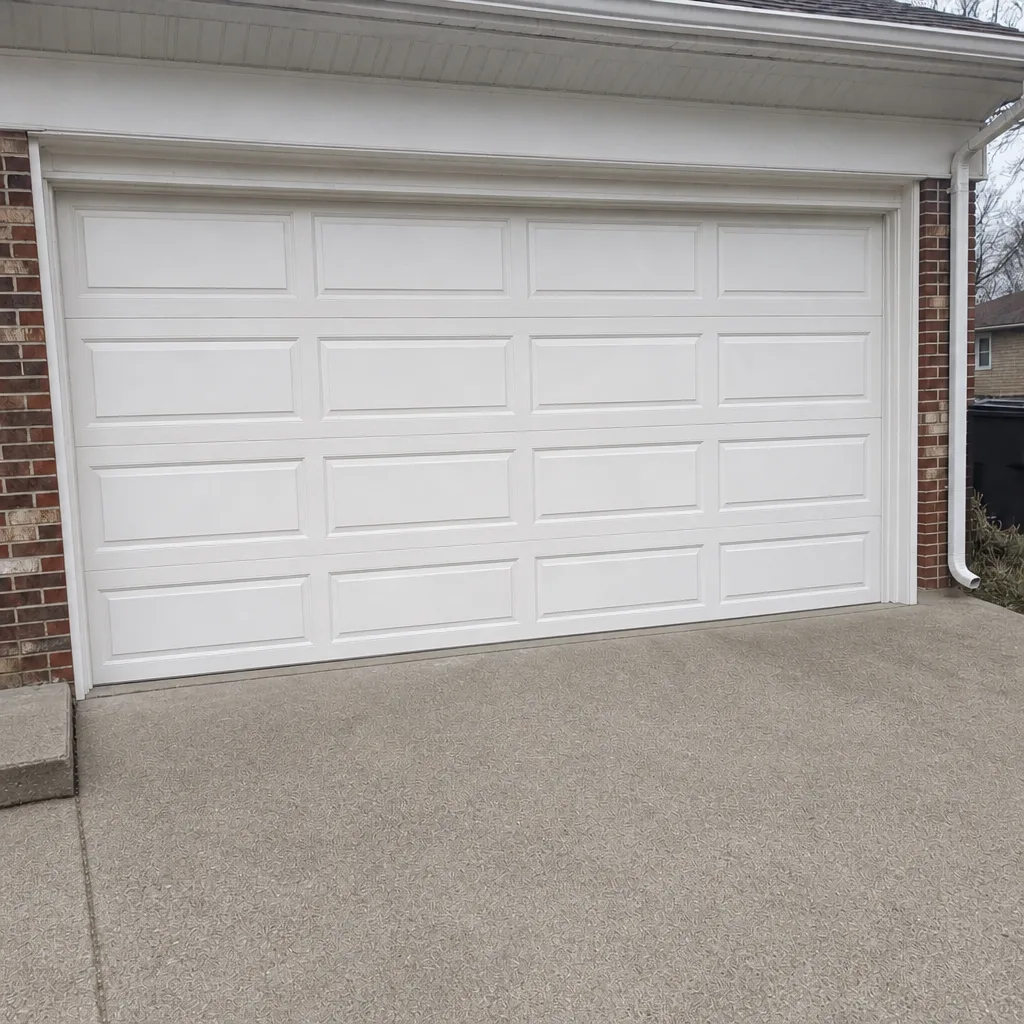
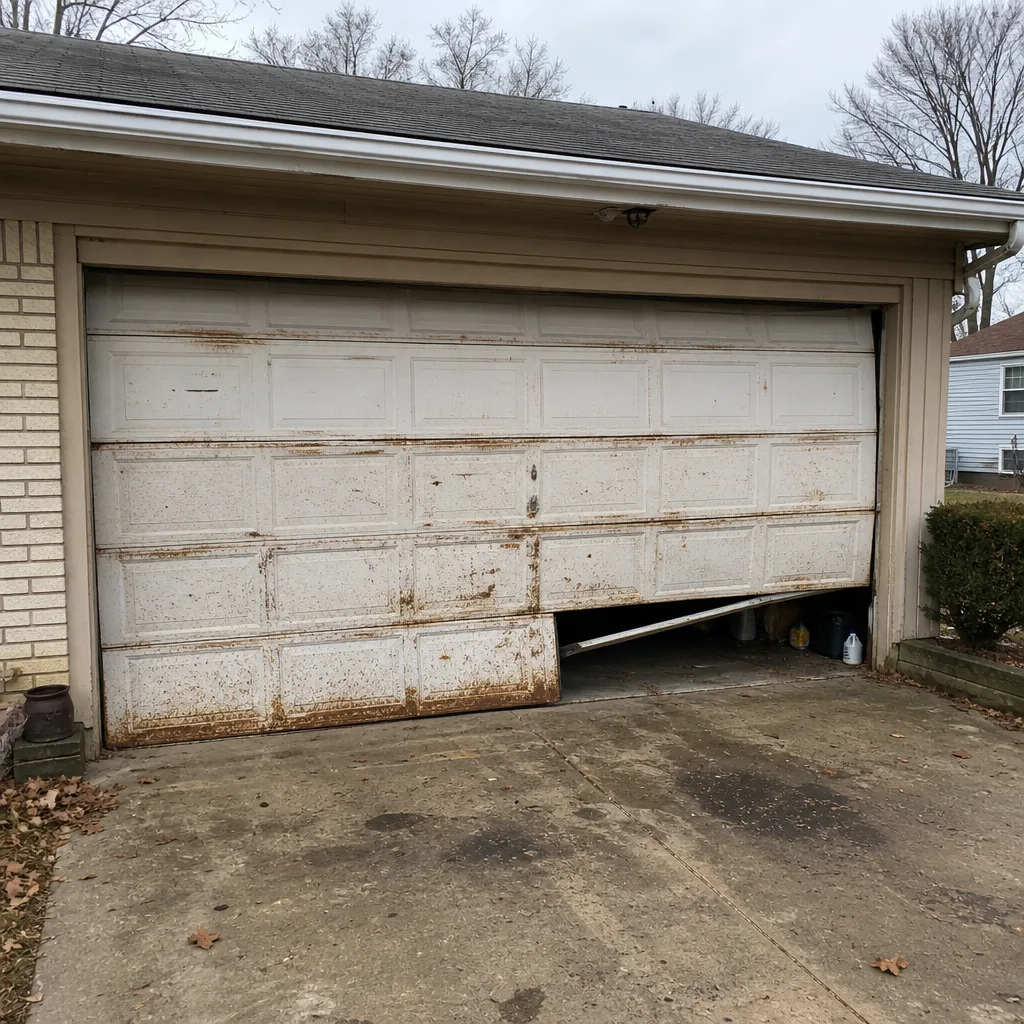
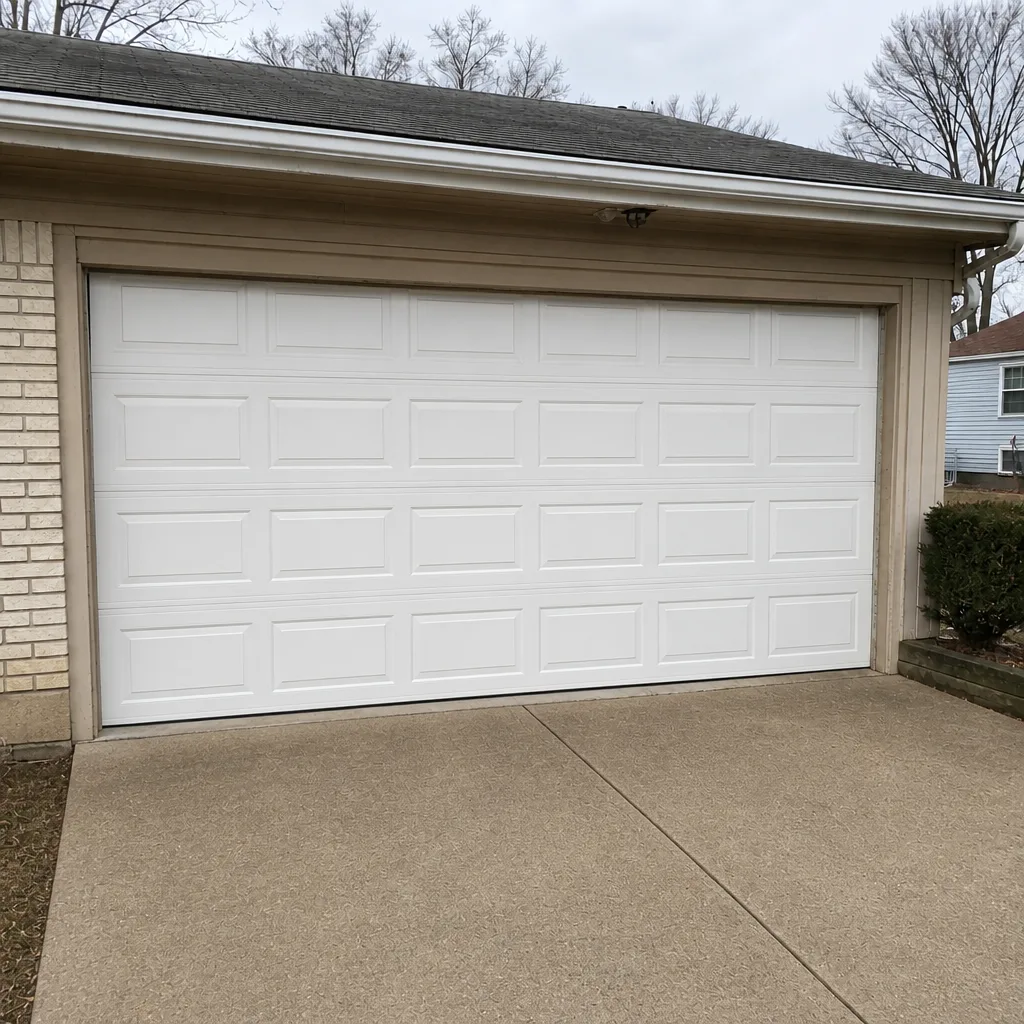
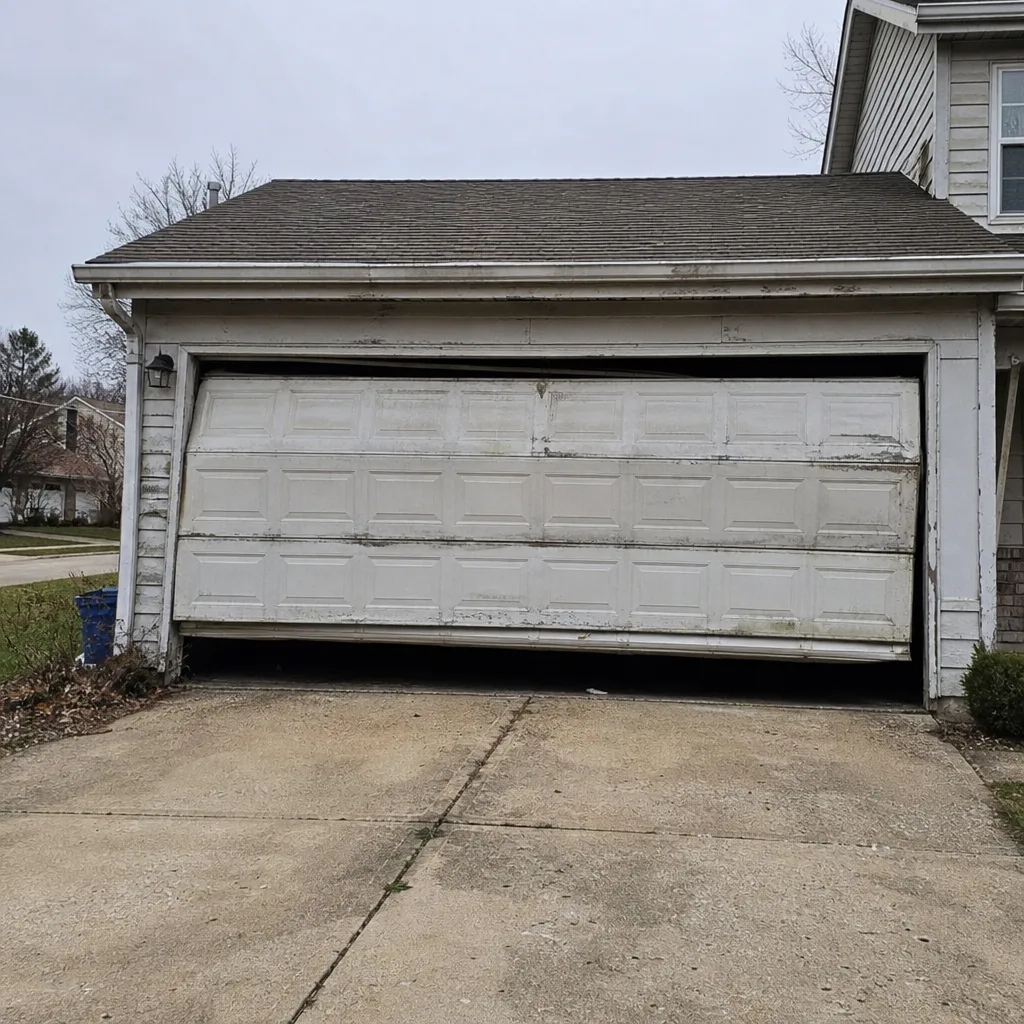
See the difference
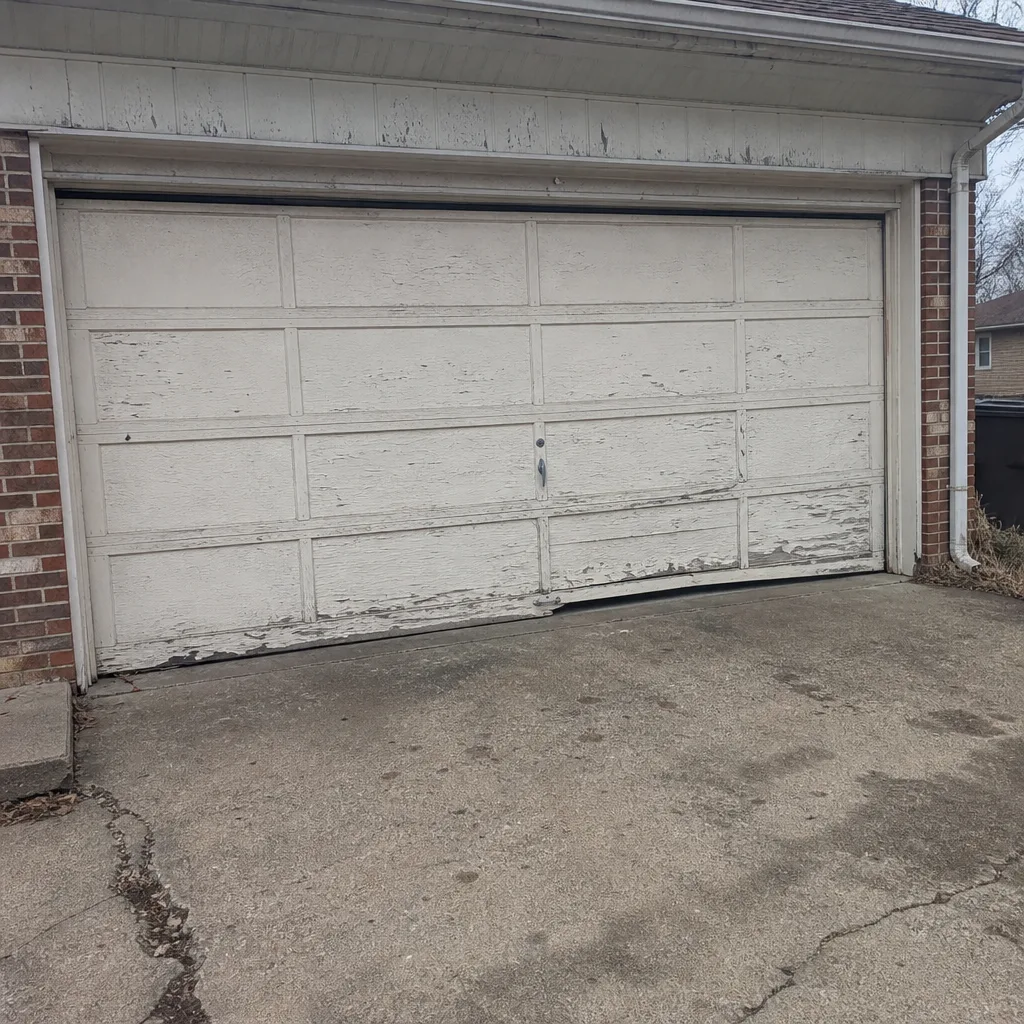 Before
 After
 Before
 After
 Before
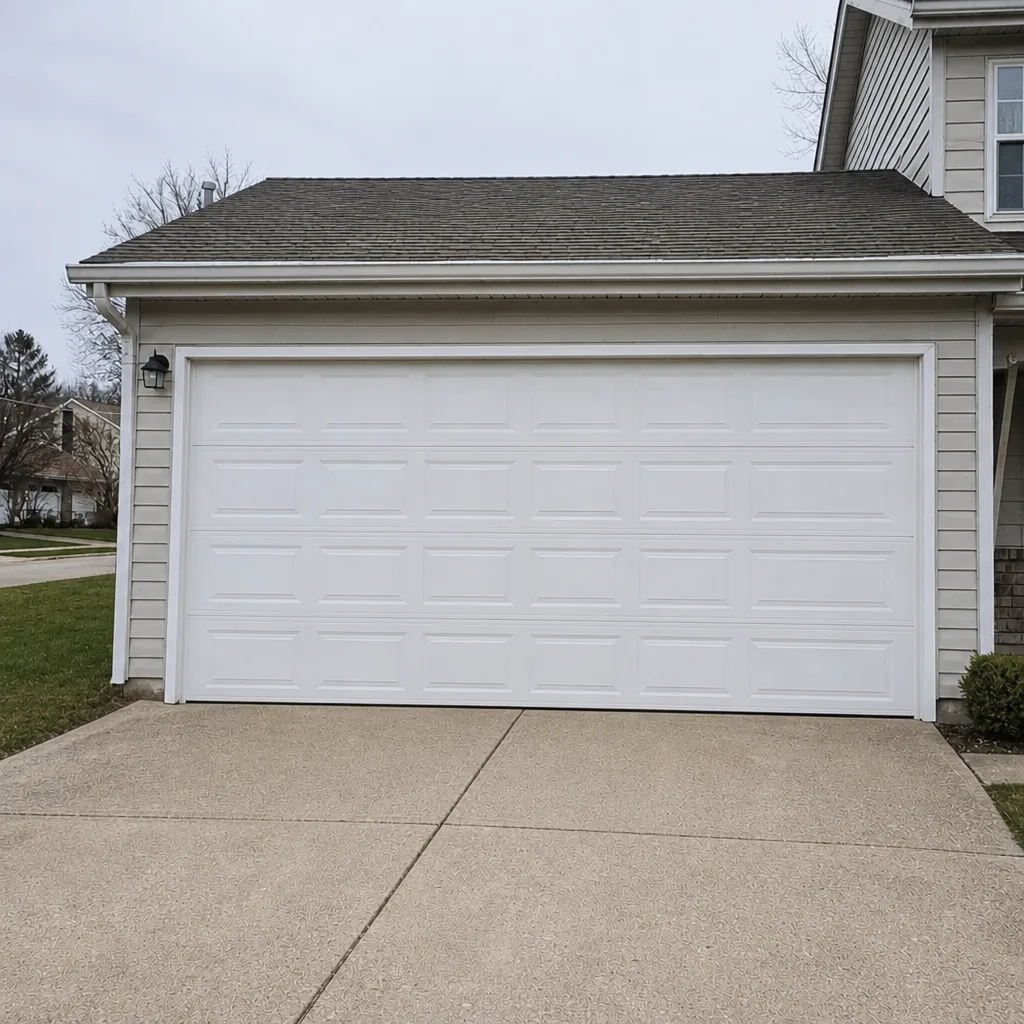 After
When to Call a Professional
Call a professional when the job involves a torsion spring, a cable, an opener motor, a failed panel on a matched-series door, or anything you can’t diagnose with confidence. Also call if your door is closing unevenly, if the opener is reversing on its own, if you’ve noticed a bang or a cable hanging loose, or if the door’s balance test doesn’t pass. Those are all cases where a trained set of eyes saves you time and risk. Garage Door Repair Florissant offers free estimates in Florissant, and our technicians have up to 9 years of experience across the major door and opener brands. Call (844) 943-4245 to get a written estimate before any work starts.
Frequently Asked Questions
It’s worth it for weatherstripping, remote reprogramming, lubrication, and minor track adjustments. It isn’t worth it for spring, cable, or opener work, because the tooling for those jobs costs more than the labor for a one-time replacement and the safety risk is much higher. Call (844) 943-4245 for a free estimate and we’ll tell you honestly which side of that line your job falls on.
You can physically buy a spring and winding bars, but we don’t recommend it. Torsion springs store enough energy to move a door that weighs well over a hundred pounds, and a slipping winding bar can cause serious injury. The sizing is also easy to get wrong, which shortens the life of the new spring. For a single spring, the professional cost of $180 – $340 per spring is usually less than the total cost of the DIY version once tools are included. A matched pair costs about twice the single-spring range. Call (844) 943-4245 for an exact quote – estimates are free.
Typical ranges in Florissant: a bottom seal runs $120 – $220, a track adjustment $100 – $180, a single torsion spring $180 – $340, an opener repair $150 – $400, and a panel replacement $250 – $700 depending on the door series. These are estimates for the local market, and the written estimate we give you sets the final price. Prices are quoted and agreed before any work starts. Call (844) 943-4245 for an exact quote.
The most common consequence is a non-functional door that needs a professional repair anyway, plus the cost of whatever parts you bought. The more serious consequences are injury, a voided manufacturer warranty on the door or opener, or a flag on a home sale inspection. Call (844) 943-4245 as soon as a repair looks beyond you and we’ll get a technician out.
Not if the estimate is written. We inspect the door, diagnose the problem, and give you a written estimate before any work starts. The price you approve is the price you pay, and if the scope genuinely changes because of what we find, we tell you before we do anything. Call (844) 943-4245 for a free estimate.
The local professionals we connect you with are licensed and insured as Missouri requires for their work, and we can work with your insurer if a door failure becomes an insurance matter. Our technicians have up to 9 years of experience working with LiftMaster, Chamberlain, Genie, Clopay, Amarr, Wayne Dalton, Craftsman, and Raynor systems. Call (844) 943-4245 to schedule.
The Bottom Line
The DIY-vs-pro question for garage doors comes down to which task you’re attempting, not how skilled you are. Weatherstripping, lubrication, remote programming, and minor track adjustments save real money when you do them yourself. Springs, cables, opener internals, and new installations don’t, because the tooling, the risk, and the warranty exposure all tilt against the DIY version. In Florissant, the seasonal weather makes all of this matter more: cold-weather spring failures, freeze-thaw on garage slabs, hail on panels, humid rust on hinges. Handle what’s genuinely low-risk, call a specialist for the rest, and ask for a written estimate either way. If you’re unsure where your job falls, a free estimate answers it.
Schedule a Free Estimate in Florissant
Whatever your door is doing, we’ll tell you whether it needs a repair, a replacement, or a homeowner’s touch. Call Garage Door Repair Florissant at (844) 943-4245 for a free estimate, an upfront written price, and a technician who knows the brand already in your garage. For urgent failures, emergency service is available to get the door back in working order the same visit. Prices are quoted and agreed before any work starts.
Written by the team at Garage Door Repair Florissant.